TailVille
At a glance
Rough ranges for supplies, food and electricity in Korea (USD is approximate). Purchase or adoption fees are not included.
Apartment dwellers who want a quiet, affectionate dog and can invest in air conditioning and vet care.
People looking for a running or hiking partner, or anyone who could not cover significant vet bills.
1. Overview
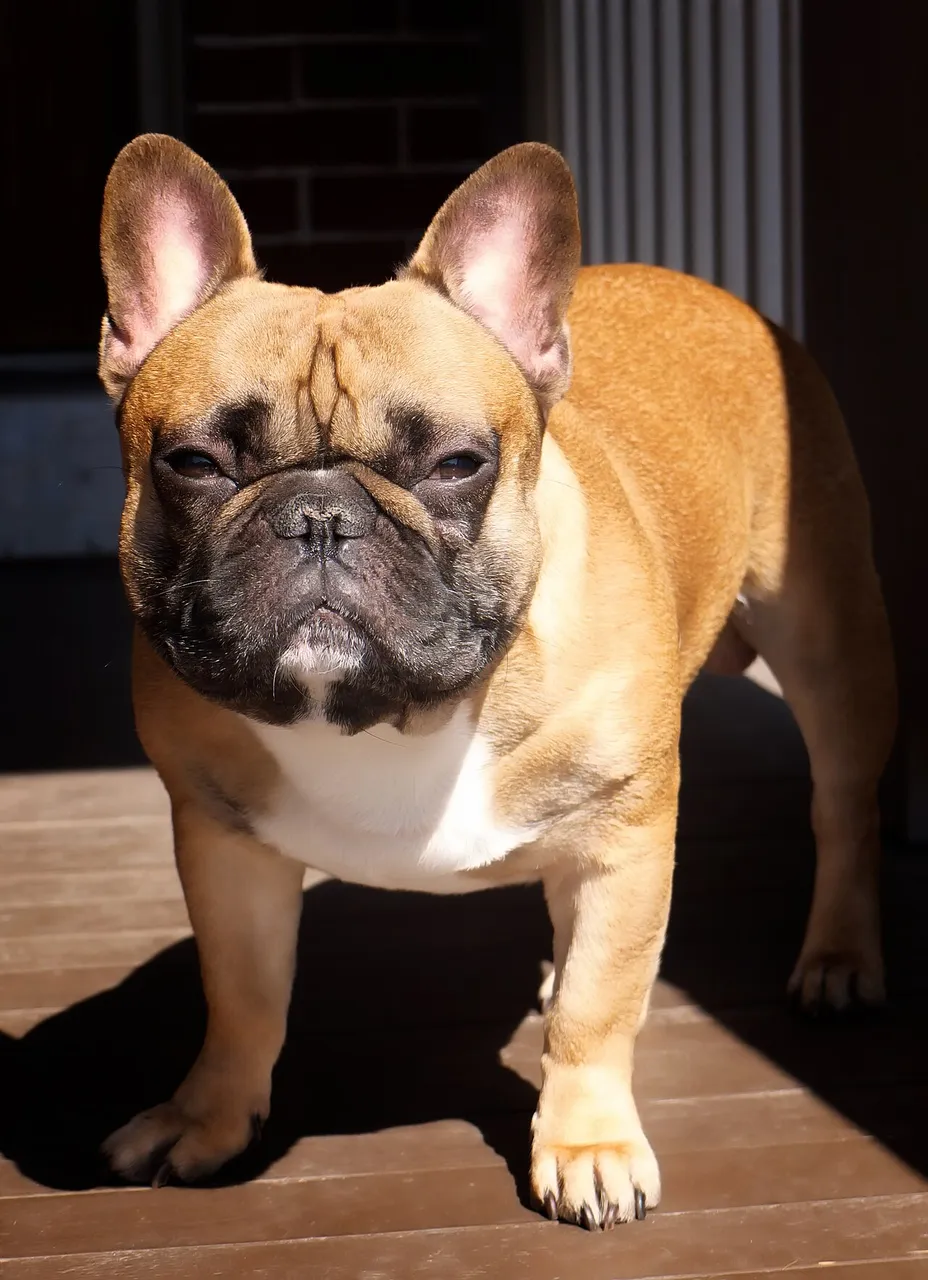
The French Bulldog is a small, muscular companion dog with a short, broad face, upright 'bat' ears and a compact, heavy-boned body. It descends from toy-sized English bulldogs that were turned into a pure companion breed in France, and it is usually called simply the 'Frenchie'. Most weigh 8 to 14 kg, need only moderate exercise and rarely bark, which is why the breed is so often recommended for city flats.
Its popularity exploded worldwide from the 2010s onward. In the United States it eventually overtook the Labrador Retriever, the long-standing favourite, at the top of the American Kennel Club registration rankings, and in Korea it became a fixture of social media and advertising.
Any honest account of the breed has to talk about health. As a brachycephalic, or flat-faced, dog the Frenchie often struggles to breathe and copes badly with heat, and spinal, skin and eye problems are common. The great majority of puppies are delivered by caesarean section. This article focuses on what is specific to the French Bulldog; general dog behaviour and care are covered in the main dog article.
2. Name and origin
Matt Wunderle · CC BY 2.0
2.1. From Nottingham to Paris
After bull-baiting was outlawed in Britain in 1835, breeders began reshaping the bulldog into a companion, and a very small 'toy bulldog' type emerged. These little dogs were especially popular with lace makers in Nottingham. When mechanisation put many lace workers out of work, large numbers emigrated to northern France, particularly Normandy, and their small bulldogs went with them.
In France the toy bulldogs mixed with local dogs and gradually developed a look of their own. They became favourites in working-class Paris, in cafés and among artists and writers. Records of exactly what went into the breed are sparse, and some historians suspect terrier or pug influence, but by the late 1800s the name 'Bouledogue Français' was firmly established.
2.2. Bat ears and the American influence
Early French Bulldogs had either folded 'rose' ears or upright 'bat' ears. English breeders favoured rose ears, but American fanciers importing dogs from France championed the bat ear as the breed's signature, and it became the standard. A breed club and dedicated shows in the United States at the end of the 1800s made the Frenchie a fashionable dog among wealthy Americans.
2.3. Recognition
The FCI places the French Bulldog in Group 9 (Companion and Toy Dogs) with France as the country of origin. The American Kennel Club recognised it in the late 1890s and the Kennel Club in Britain followed in the early twentieth century. Registries differ slightly on permitted colours and weight limits, so for details it is best to consult each organisation's official standard.
3. History and popularity in Korea
French Bulldogs are a fairly recent sight in Korea. Through the 1990s and 2000s the Korean small-dog scene was dominated by long-coated breeds such as the Maltese, Shih Tzu and Yorkshire Terrier, and Frenchies were kept mainly by enthusiasts. From the mid-2010s, photos and videos of their comic faces and antics spread across Instagram and other platforms, and demand among young urban owners took off.
Celebrity dogs and advertising campaigns gave the breed a trendy image, and pet shops and commercial breeders responded with more puppies. Unfortunately that boom also meant more breeding with little regard for health. Quality varies widely among both imported and locally bred dogs, and non-standard coats such as blue and lilac are often marketed as premium 'rare colours'.
Awareness of brachycephalic health problems has grown alongside the breed's popularity. Korean vets and owner communities now share a great deal of advice on summer heat and airway surgery, and as some dogs are inevitably surrendered or abandoned, shelters and breed rescue groups have become a realistic route to owning one.
4. Appearance and breed standard
tanakawho · CC BY 2.0
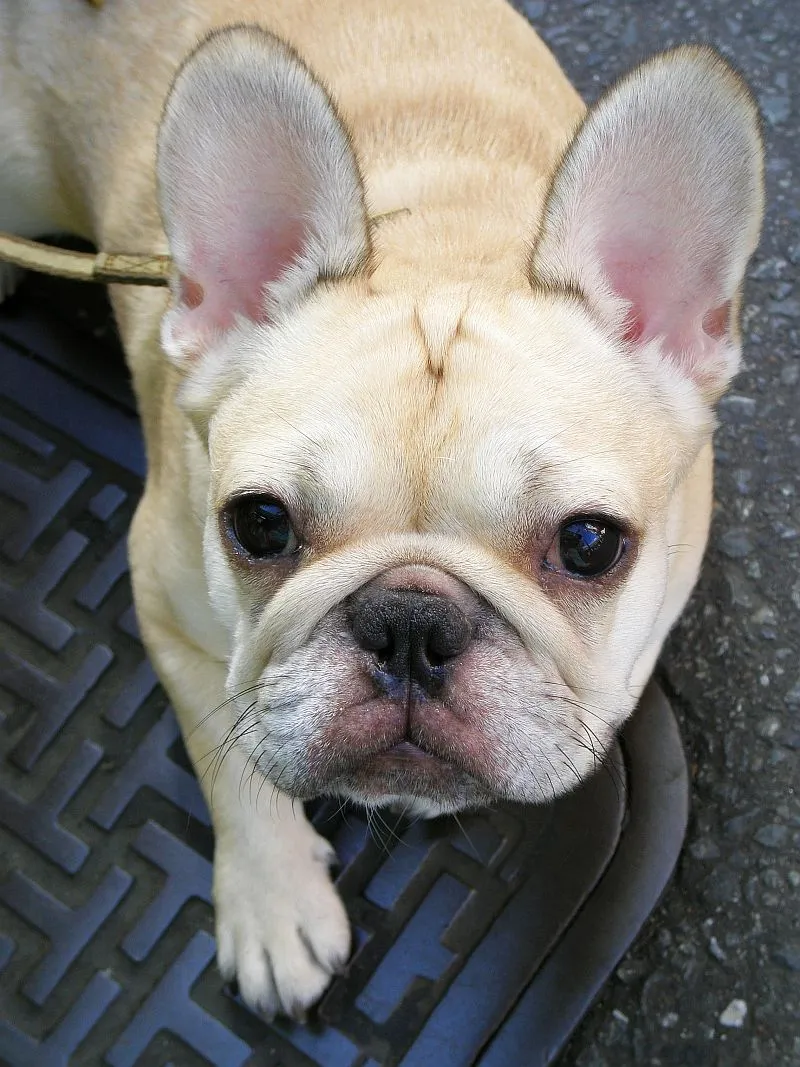
The Frenchie is small but heavy-boned and muscular, with a broad, square head and a very short muzzle. Wrinkles cross the forehead and the bridge of the nose, and the bat ears are wide at the base, rounded at the tip and set high. The tail is naturally short and thick or screwed, which often reflects malformed vertebrae. The topline rises slightly from the shoulders toward the loin.
| Feature | Approximate standard |
|---|---|
| Weight | FCI about 8–14 kg; AKC not over 28 lb (about 12.7 kg) |
| Height | About 27–35 cm |
| Coat | Short, fine, smooth and glossy with little undercoat |
| Standard colours | Fawn, brindle, pied (white with patches), cream, depending on the registry |
| Non-standard colours | Blue, lilac, chocolate, merle, black and tan, among others |
| Eyes | Round, dark and slightly prominent |
The coat is short but still sheds noticeably, especially in spring and autumn. Blue and lilac come from dilution genes, which in several breeds are associated with a hair-loss condition called colour dilution alopecia. Merle is widely regarded as a pattern introduced from outside the breed, and merle-to-merle matings carry a high risk of deafness and eye defects.
5. Temperament
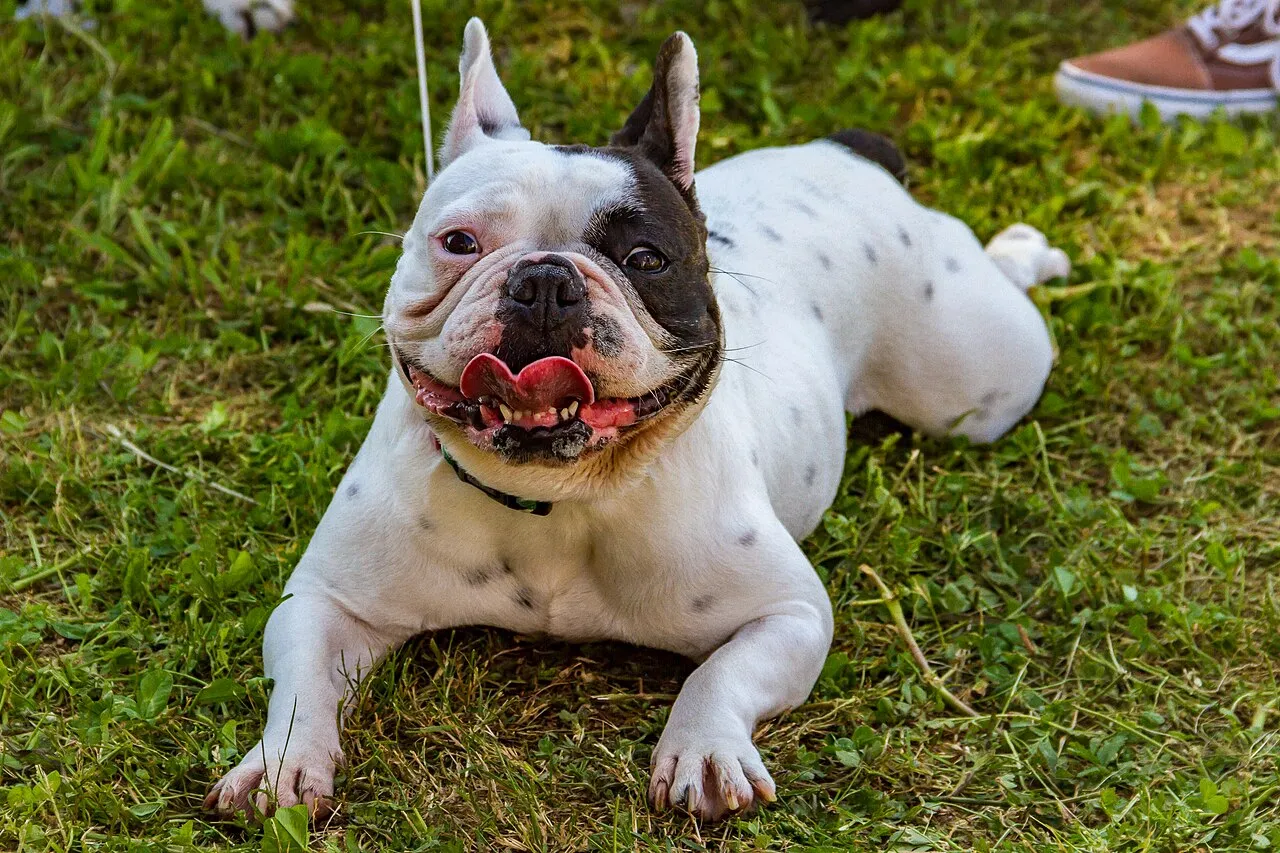
Bred purely as companions, French Bulldogs live for their people. They follow you from room to room, nap pressed against you on the sofa and clown around for attention. They seldom bark, but they snort, grumble, whine and make a whole repertoire of 'talking' noises.
They have a stubborn side and can be slow to train. A Frenchie that does not feel like doing something may simply lie down and refuse, and forcing the issue damages trust. Short sessions of five minutes or less, repeated several times a day with treats and praise, work far better.
Most are friendly with strangers and children. Males can squabble with each other, and the breed's body-slamming play style is sometimes misread by other dogs. Because they are so attached, long hours alone can lead to loneliness and separation anxiety.
6. Who it suits and who it doesn't
Lua Bittencourt from Porto, Portugal · CC BY 2.0
A good match for:
- People in flats who want a quiet dog
- Owners who prefer lounging together to long hikes
- Homes that can keep air conditioning running through summer
- Anyone able to budget seriously for vet care or insurance
- People who can laugh off snoring, wind and the occasional drool
A poor match for:
- Anyone wanting a running, hiking or swimming partner
- People in hot climates without reliable cooling
- Households that could not absorb a sudden large vet bill
- People who are out of the house most of the day
Hot, humid summers are hard on brachycephalic dogs. If you live somewhere like Korea, the southern United States or Australia, the electricity bill for air conditioning is part of the real cost of owning this breed.
7. Exercise and play
Two walks of about 20 to 30 minutes a day are usually enough. Conditions matter more than duration: once it is above about 25°C or humid, shift walks to early morning or after dark, and stop in the shade as soon as breathing becomes laboured. A wide, flattened tongue and dark red or purplish gums are warning signs.
Frenchies enjoy fetch and tug, but excitement quickly leaves them breathless, so keep games short with frequent breaks. Scent games, where the dog sniffs out hidden treats, are an excellent low-impact way to tire the brain.
Their heavy front end and big head make swimming very difficult, and drowning is a genuine risk. Always use a canine life jacket around water and stay within arm's reach. Repeated stair climbing and jumping down from furniture stress the spine, so carry your dog or provide ramps where you can.
8. Coat care and hygiene
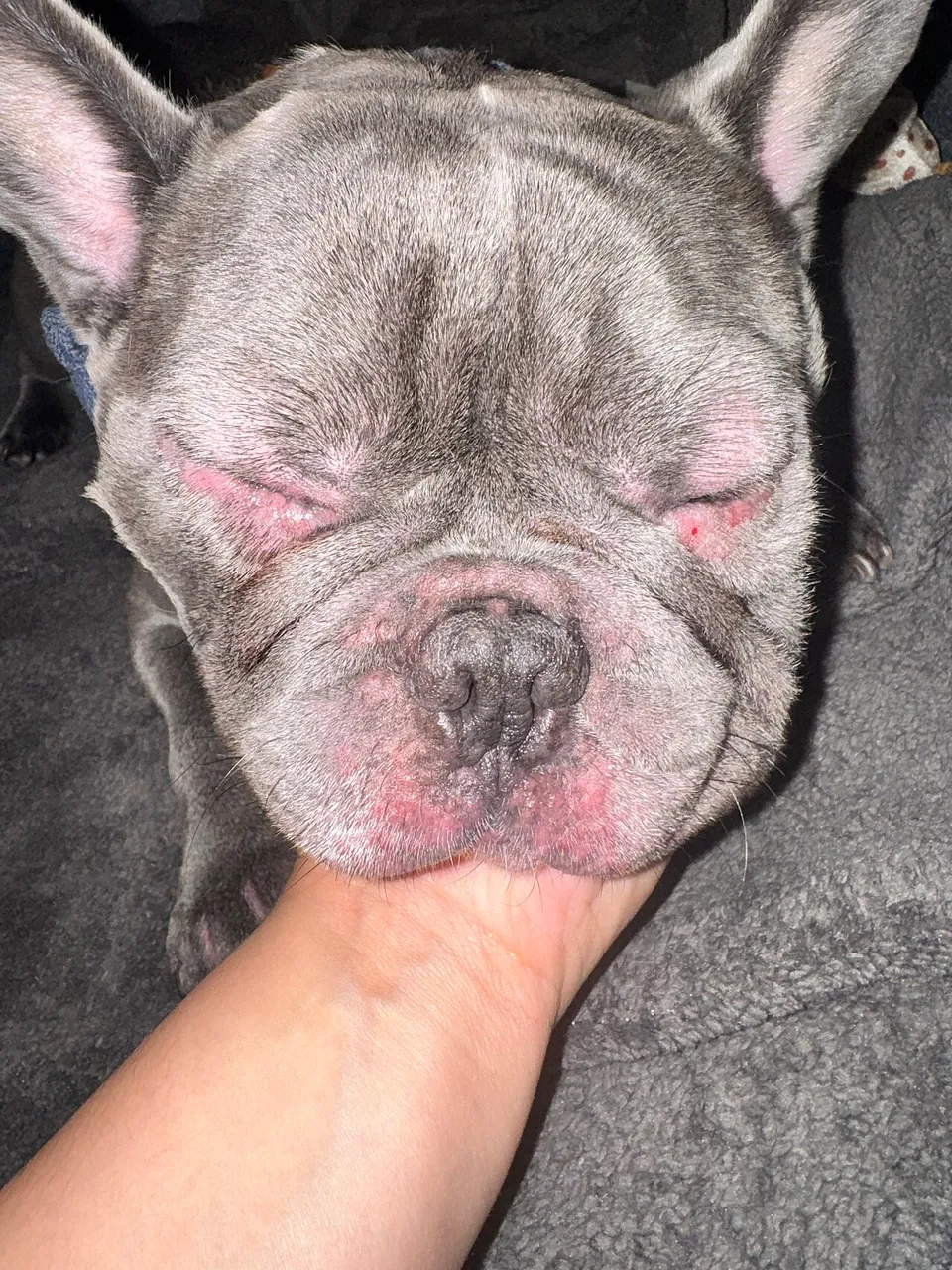
Ivannag95 · CC BY 4.0
The coat is short but sheds more than people expect. Two or three sessions a week with a rubber curry brush or bristle brush lift dead hair and stimulate the skin. A bath every four to six weeks is plenty; frequent bathing dries the skin and can make itching worse.
The facial folds need the most attention. Moisture and oil trapped in the wrinkles feed bacteria and yeast, causing odour and fold dermatitis. Wipe them once a day with soft gauze or a pet wipe and dry them completely. Dogs with tightly screwed tails can develop the same problem in the pocket beneath the tail.
The large, open ears collect dust, so clean them about once a week, and suspect an ear infection if you notice odour or brown wax. Many Frenchies lick their paws because of allergies, so check between the toes for redness as part of your routine.
9. Feeding and weight
Adults normally eat two meals a day. Start from the feeding guide on the bag and adjust to body condition: from above you should see a waist, and you should feel the ribs easily along the sides.
For a Frenchie, excess weight is not just cosmetic. Fat around the neck and chest squeezes an already narrow airway and sharply raises the risk of breathing crises and heatstroke. Remember that one extra kilogram is close to 10% of body weight for a dog this size.
Frenchies tend to bolt their food and swallow air, which leads to vomiting, burping and flatulence. A slow-feeder bowl, or kibble scattered on a flat tray, helps. Food allergies are common in the breed; if the skin is often red and itchy, ask your vet about an elimination trial with a hydrolysed or single-protein diet. Keep treats under 10% of daily calories.
10. Inherited disease and health
Several large studies have found French Bulldogs to be at higher risk than average for a number of conditions. Not every dog is affected, but anyone considering the breed should understand the following problems.
10.1. Brachycephalic obstructive airway syndrome (BOAS)
The bones of the muzzle have been shortened, but the soft palate, tongue and nasal tissue have not shrunk to match, so the airway is crowded. Typical components are narrowed nostrils (stenotic nares), an elongated and thickened soft palate, everted laryngeal saccules and sometimes a narrow trachea.
- Signs: snoring and noisy breathing even while awake, slow recovery after exercise, gagging and regurgitation, sleeping sitting up or with pauses in breathing, and in severe cases blue gums and collapse
- Diagnosis: listening to breathing at rest and after exercise, airway examination under anaesthesia, sometimes CT
- Treatment: widening the nostrils and shortening the soft palate are the most common procedures, and many surgeons report better results when surgery is done young
In the UK, the University of Cambridge and the Kennel Club run a Respiratory Function Grading scheme that breeders can use to select dogs with better breathing.
10.2. Spinal malformations and disc disease
The short, screwed tail usually reflects hemivertebrae, wedge-shaped vertebrae that can also occur along the back and compress the spinal cord, causing a wobbly hind-leg gait. French Bulldogs are also among the breeds most often affected by intervertebral disc disease.
- Signs: hunched back and trembling, pain when touched, dragging the hind legs, sudden paralysis, loss of bladder or bowel control
- Diagnosis: neurological examination, X-rays, CT or MRI
- Action: sudden hind-leg weakness is an emergency, as the speed of treatment can determine the outcome
10.3. Skin, allergies and eyes
Atopic dermatitis and food allergies are common, showing up as paw licking, recurring ear infections and red rashes on the armpits and belly, alongside the fold dermatitis described above.
The large, prominent eyes are easily scratched by grass or furniture, leading to corneal ulcers; sudden squinting or tearing needs prompt veterinary attention. Cherry eye, where the third-eyelid gland pops out, and abnormal eyelashes that rub the eye are also frequent.
10.4. Heat and anaesthesia
Dogs cool themselves mainly by panting, and a narrow airway makes that inefficient, so Frenchies overheat much faster than most breeds and appear repeatedly near the top of heatstroke risk lists. If your dog's temperature passes about 40°C, or it drools heavily and staggers, soak it with cool (not ice-cold) water and get to a vet immediately.
Airway problems also raise the risk during anaesthesia and recovery. For routine surgery such as neutering, choose a clinic experienced with brachycephalic patients and ask whether airway surgery could be done at the same time.
10.5. Birth and breeding
Puppies have large heads and dams have relatively narrow pelvises, so natural birth is often difficult and most litters are delivered by caesarean section. Many males also struggle to mate naturally, and artificial insemination is common. For these reasons home breeding is strongly discouraged; only careful, health-tested breeding can improve the breed's future.
11. Life stages and lifespan
Average lifespan is roughly 9 to 12 years, and several studies have found Frenchies living shorter lives than other dogs of similar size, although well-cared-for individuals can reach 13 or 14.
| Stage | Age | Key points |
|---|---|---|
| Puppy | 0–6 months | Socialisation window, vaccinations, house-training, first airway assessment |
| Adolescent | 6–18 months | Stubbornness and energy peak; time to discuss neutering and airway surgery |
| Adult | 1.5–7 years | Weight control, summer heat precautions and allergy management |
| Senior | 8 years and up | Disc and joint problems, declining heart and airway function, check-ups every six months |
Signs of ageing include shorter walks, hesitation on stairs and louder breathing and snoring. As the hind legs weaken, non-slip rugs and a support harness help. Anaesthetic risk climbs with age, so do not leave dental work and similar procedures too late.
12. Costs
These are rough 2026 South Korean figures; clinics, regions and the individual dog's health all make a big difference. With this breed, the swing in medical costs matters far more than routine expenses.
| Item | Approximate cost | Notes |
|---|---|---|
| Purchase price | Hundreds of thousands to several million won | 'Rare' non-standard colours often priced higher |
| Initial supplies, vaccines, registration | 700,000–1,500,000 won | Harness, cooling mat, slow feeder included |
| Food and treats | 50,000–120,000 won per month | More for prescription allergy diets |
| Hygiene supplies | 20,000–40,000 won per month | Fold wipes, ear cleaner and so on |
| Summer air conditioning | Tens of thousands of won extra per month | If cooling runs around the clock |
| Insurance | 30,000–80,000 won or more per month | Some insurers charge more or restrict the breed |
| Airway surgery | Hundreds of thousands to several million won | Depends on extent and clinic |
| Disc surgery | Several million won or more | MRI often billed separately |
| Allergy management | Tens of thousands to over 100,000 won per month | Medication, medicated shampoo, injections |
Some insurance policies exclude brachycephalic conditions altogether, so read the small print carefully. Many owners instead set aside a fixed monthly sum as a medical fund. In Europe, North America and Australia the pattern is similar, though surgery prices are usually considerably higher.
13. Before you get one
If you have decided on a Frenchie, the parents' health matters far more than the puppy's cute face.
- Ask to meet the parents and watch them breathe at rest and after a short walk; quiet breathing and quick recovery are good signs
- Look at the nostrils: wide, open nostrils breathe far better than slit-like ones, which often need surgery
- Ask for airway grading, spinal X-rays and eye examination results for both parents
- Be wary of sellers promoting blue, lilac or merle as premium 'rare' colours; they are often prioritising colour over health
- Avoid anyone selling puppies younger than eight weeks or offering many breeds in volume
- Check that the seller is licensed and that vaccination and microchip records are in order
Puppies displayed in pet shops very often come from high-volume breeding farms where the parents' health cannot be checked. If an adult dog would suit you, breed rescues and shelters regularly rehome French Bulldogs. With an adult, breathing and health problems are already visible, which makes planning their care easier, not harder.
14. French Bulldogs in culture
In late nineteenth-century Paris, French Bulldogs were the dogs of artists, cabaret society and the well-to-do, and they turn up in paintings and photographs of the period. Toulouse-Lautrec's circle is often linked with the breed.
One of the best-known stories is that an expensively insured French Bulldog was aboard the Titanic when it sank in 1912, a reminder of how fashionable the breed was among the wealthy at the time.
In the twenty-first century, social media became the breed's biggest stage. Its solemn expression and comic behaviour made it a natural star of memes and short videos, and Frenchies belonging to musicians and actors were regularly in the news. In 2021 a pop star's French Bulldogs were stolen in a violent robbery of their walker in Los Angeles, which drew wide attention to thefts targeting expensive breeds.
Veterinary organisations in several countries have also raised concerns about advertisers and brands using flat-faced dogs so heavily, arguing that it normalises extreme body shapes as simply 'cute'.
15. Trivia
- Despite the name, the French Bulldog differs clearly from today's English Bulldog in size, build and ear shape.
- Bat ears were once considered a fault in Britain; American fanciers' insistence made them the breed's trademark.
- The Netherlands and some other European countries have introduced or debated rules restricting breeding from dogs with extremely short muzzles. Criteria and enforcement vary and are evolving, so check current information.
- Frenchies are born with short tails; nothing is docked. Some vets suggest dogs with longer, straighter tails may be less likely to carry spinal malformations.
- Because they swim so poorly, life jackets are standard kit for Frenchies near pools and lakes.
- Owners often joke that the breed does not bark, it talks, thanks to its huge range of grunts, snorts and grumbles.
- Frenchies are notorious bed hogs and blanket burrowers, and many owners report that their dog snores louder than their partner.
Health notes are general information. If something seems wrong, contact a vet who treats this species.
🍽️ Can my dog or cat eat this? →
FAQ
Why does my French Bulldog snore so much?
The muzzle is short but the soft tissue inside it is not, so the airway is crowded. Mild snoring is common, but noisy breathing while awake, slow recovery after play or bluish gums point to significant BOAS and need a vet's assessment.
Can a Frenchie stay home alone?
They cope with a few hours better than high-energy breeds, but they are true companion dogs and long daily absences make them lonely. In summer, make absolutely sure the cooling stays on while you are out.
Do they shed despite the short coat?
More than most people expect. The short, stiff hairs weave into fabric, especially during spring and autumn moults. Brushing two or three times a week with a rubber mitt keeps it manageable.
Photo credits
Photos are freely licensed images from Wikimedia Commons. Authors and licenses are listed below.
- 2008-07-28 Dog at Frolick Field.jpg — Ildar Sagdejev (Specious) · CC BY-SA 4.0
- A French Bulldog.jpg — Matt Wunderle · CC BY 2.0
- Cream French Bulldog.jpg — tanakawho · CC BY 2.0
- Encontro Dog Institute (41893165422).jpg — Lua Bittencourt from Porto, Portugal · CC BY 2.0
- FrenchBulldogKCS1.jpg — Ivannag95 · CC BY 4.0