Animal Encyclopedia

From lions and tigers to whales, penguins, octopuses and honey bees: in-depth articles on wild animals around the world, covering evolution, range, anatomy, behaviour, breeding, conservation and culture. Filter by group and open any animal for the full article.
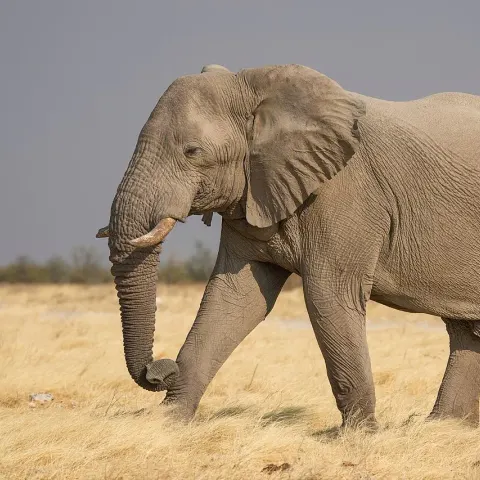
African bush elephant
African bush elephantThe largest living land animal, known for matriarch-led families, remarkable memory and its role as an engineer that shapes the African landscape.
MammalsEN · Endangered
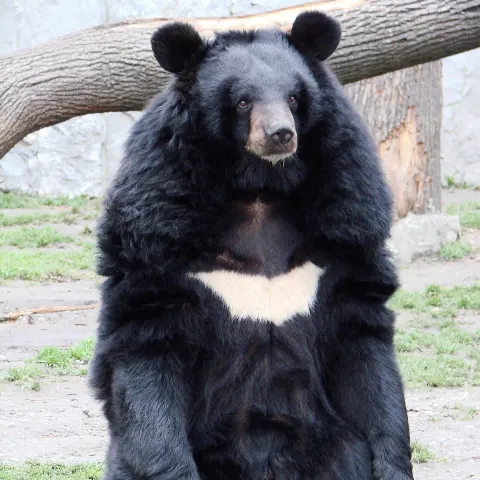
Asiatic black bear
Asiatic black bearA forest bear of Asia named for the pale crescent on its chest. An expert climber that lives largely on acorns and fruit, it is being brought back to the wild in Korea's Jirisan National Park.
MammalsVU · Vulnerable
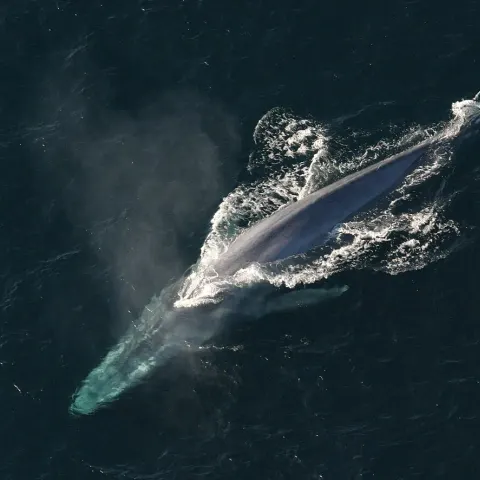
Blue whale
Blue whaleThe largest animal ever known, reaching around 30 m. It filters tonnes of tiny krill a day and is slowly recovering after twentieth-century whaling pushed it to the brink.
MammalsEN · Endangered
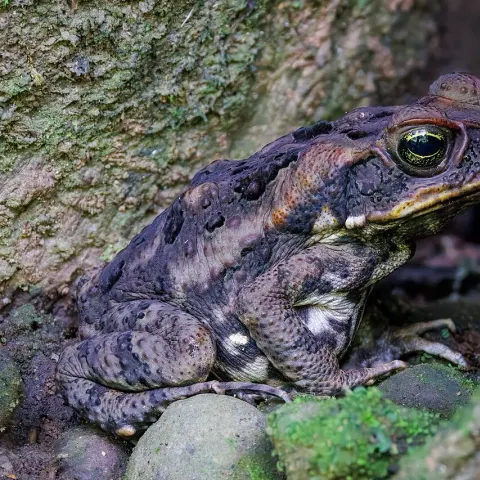
Cane toad
Cane toadA large toad native to Central and South America. Released in Australia and elsewhere to control sugarcane pests, it became one of the world's most notorious invasive species.
AmphibiansLC · Least Concern
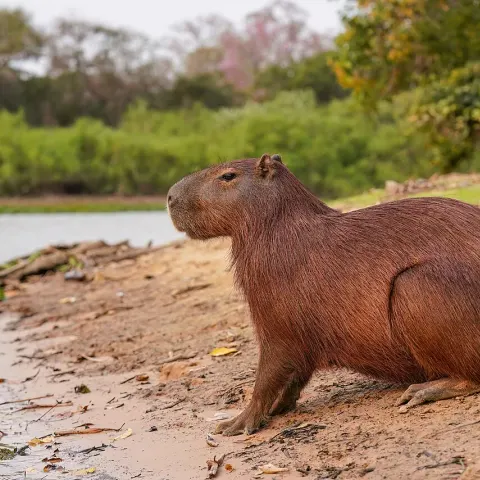
Capybara
CapybaraThe world's largest rodent, weighing around 50 kg. It grazes in groups along South American waterways and became an internet star for calmly sharing space with other animals.
MammalsLC · Least Concern
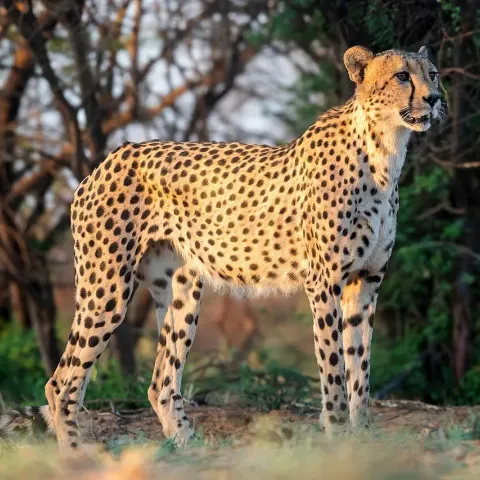
Cheetah
CheetahThe fastest land animal, sprinting at around 100 km/h. Its body trades strength for speed, so it often loses kills to lions and hyenas.
MammalsVU · Vulnerable
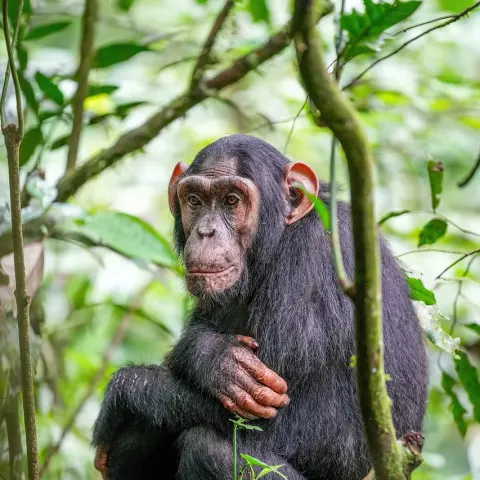
Chimpanzee
ChimpanzeeWith the bonobo, our closest living relative. Chimps make and use tools, keep local cultural traditions and live in complex societies where males forge alliances and compete for rank.
MammalsEN · Endangered
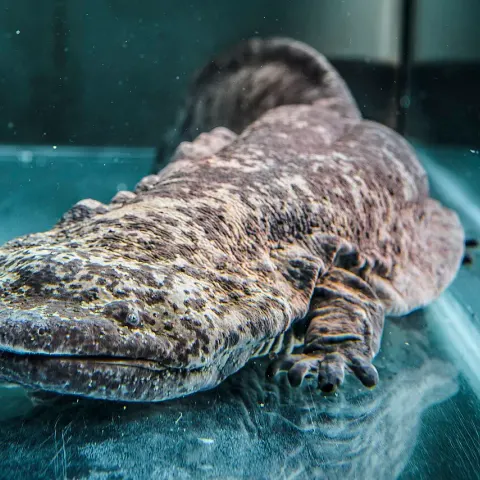
Chinese giant salamander
Chinese giant salamanderOne of the largest amphibians on Earth, often well over a metre long. It lives in mountain streams in China, but overharvesting and farm-driven genetic mixing have nearly eliminated wild populations.
AmphibiansCR · Critically Endangered
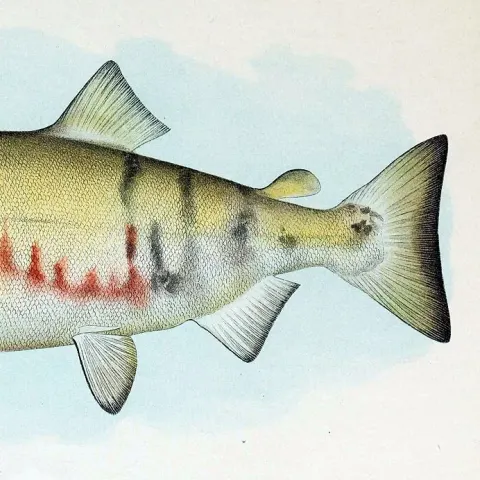
Chum salmon
Chum salmonKorea's salmon: hatched in rivers, grown for three to five years in the North Pacific, then back to its home stream to spawn and die.
FishNE · Not Evaluated
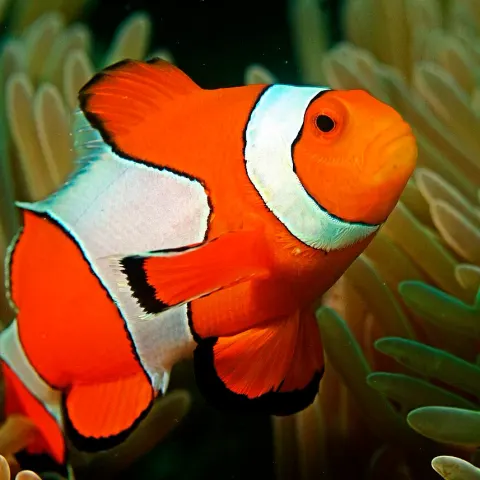
Clownfish
ClownfishThe orange-and-white reef fish that lives among stinging anemones, inspired Finding Nemo, and can change from male to female.
FishLC · Least Concern
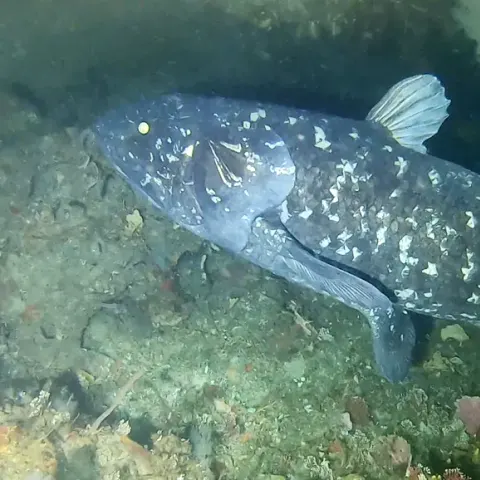
Coelacanth
CoelacanthThe 'living fossil' thought extinct for 66 million years until found alive in 1938, a lobe-finned fish distantly related to land animals.
FishCR · Critically Endangered
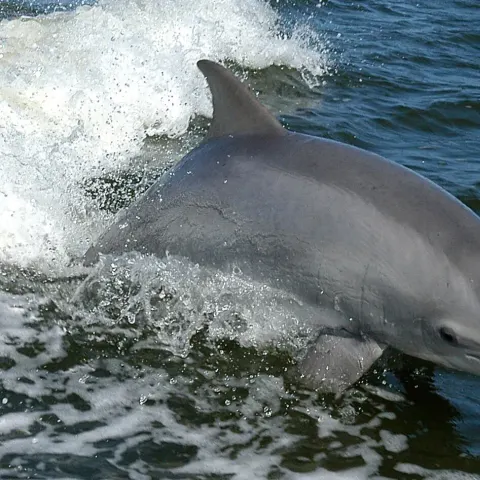
Common bottlenose dolphin
Common bottlenose dolphinThe classic dolphin, with a short, stubby beak and a built-in smile. A highly intelligent toothed whale famous for signature whistles and mirror self-recognition, found in warm seas worldwide.
MammalsLC · Least Concern
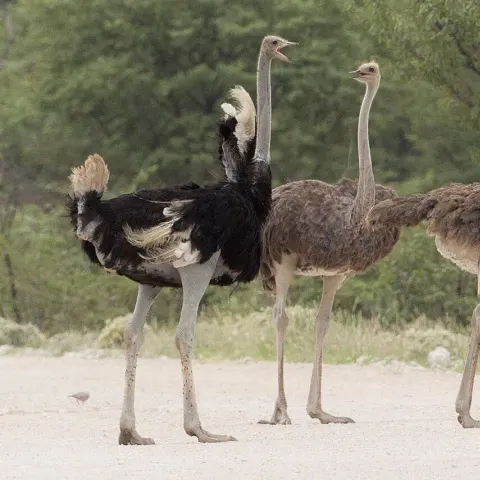
Common ostrich
Common ostrichThe world's largest bird, standing well over two metres tall. It cannot fly but can sprint at about 70 km/h across the African savanna, and it lays the biggest egg of any living bird.
BirdsLC · Least Concern
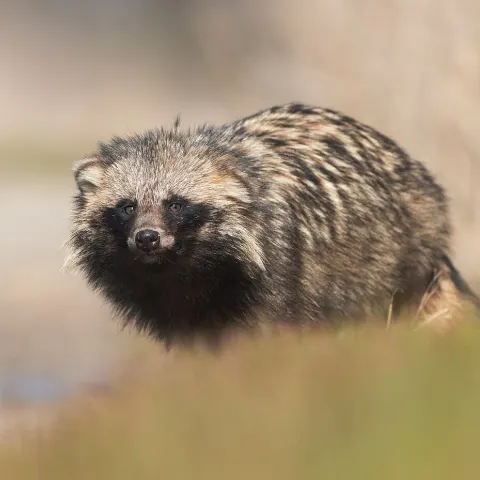
Common raccoon dog
Common raccoon dogOften mistaken for a raccoon because of its mask, it is actually a canid related to wolves and foxes. Common across Korea, it is unusual among dogs in slowing down to rest in dens over winter.
MammalsLC · Least Concern
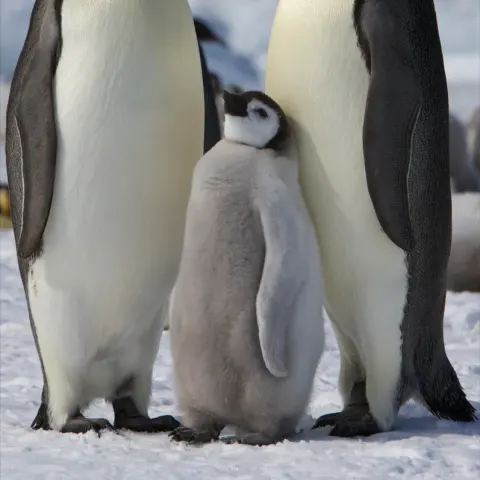
Emperor penguin
Emperor penguinThe tallest and heaviest living penguin, and the only bird that breeds on Antarctic sea ice in the depths of winter, where fathers incubate the egg for two months without eating.
BirdsNT · Near Threatened
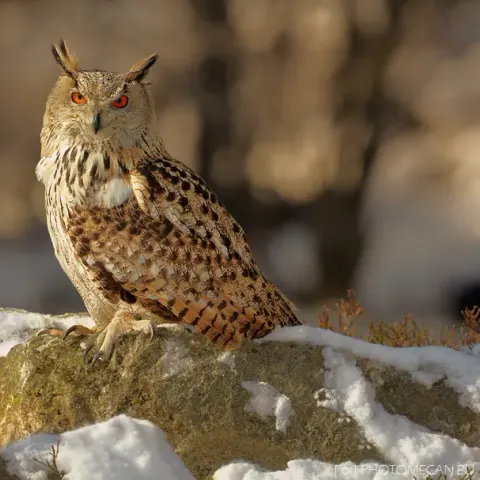
Eurasian eagle-owl
Eurasian eagle-owlOne of the largest owls on Earth, with blazing orange eyes and tall ear tufts. A year-round resident of Korean cliffs and river gorges, it is the top predator of the night.
BirdsLC · Least Concern
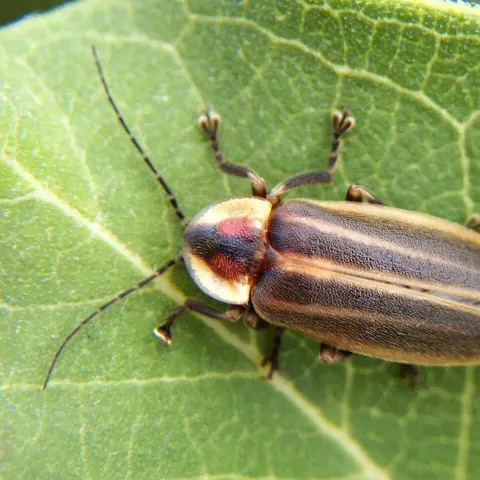
Firefly
FireflyBeetles that glow with cold light from their abdomens; they need clean water and dark nights, making them indicators of healthy nature.
InvertebratesNE · Not Evaluated
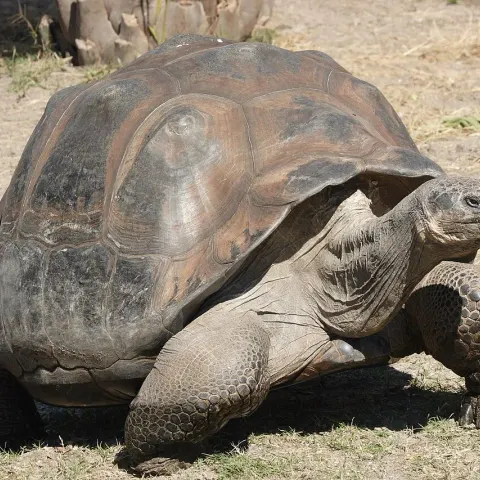
Galápagos giant tortoise
Galápagos giant tortoiseThe giant land tortoises of the Galápagos Islands, living for well over a century. Their shell shapes differ from island to island, making them icons of evolutionary biology.
ReptilesVU · Vulnerable
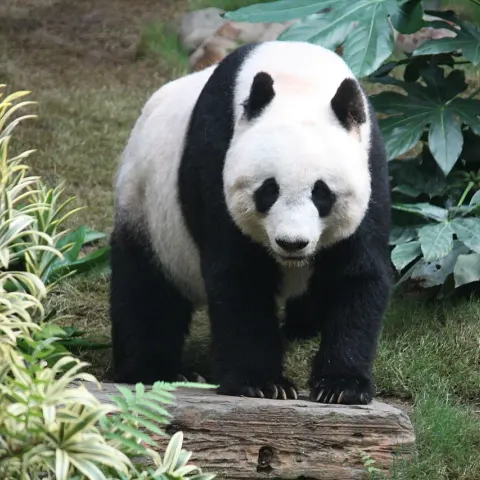
Giant panda
Giant pandaA black-and-white bear of the bamboo forests in China's central mountains. Bamboo makes up 99 percent of its diet, and decades of protection led to its downlisting from Endangered to Vulnerable in 2016.
MammalsVU · Vulnerable
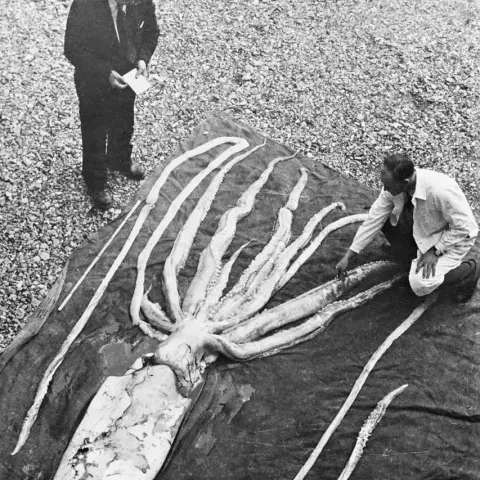
Giant squid
Giant squidA deep-sea squid that can exceed 10 m with its tentacles, the likely inspiration for the kraken, first photographed alive only in 2004.
InvertebratesLC · Least Concern
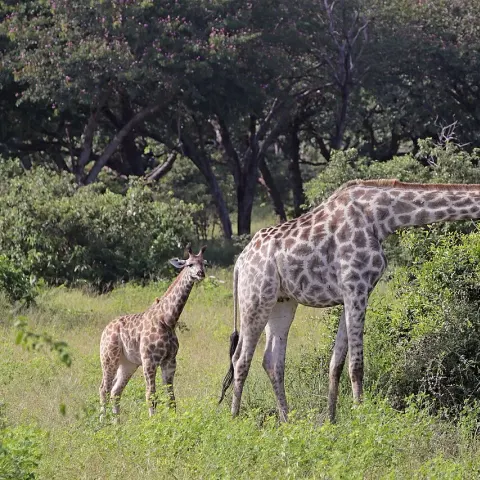
Giraffe
GiraffeThe tallest animal alive, over 5 m tall, browsing treetops with its long neck. Its quiet decline led conservationists to warn of a 'silent extinction'.
MammalsVU · Vulnerable
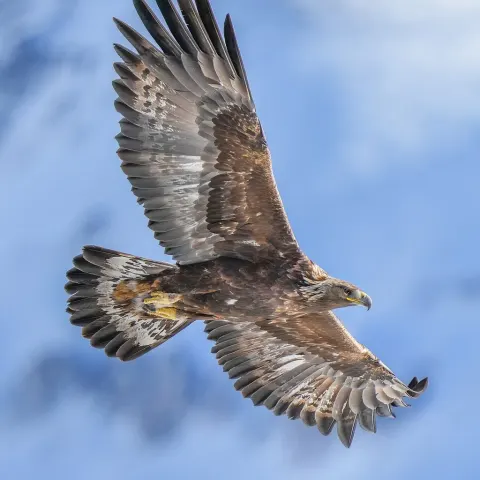
Golden eagle
Golden eagleThe great mountain eagle of the Northern Hemisphere, named for the gold sheen on its nape. With wings over two metres across it hunts hares, marmots and even foxes.
BirdsLC · Least Concern
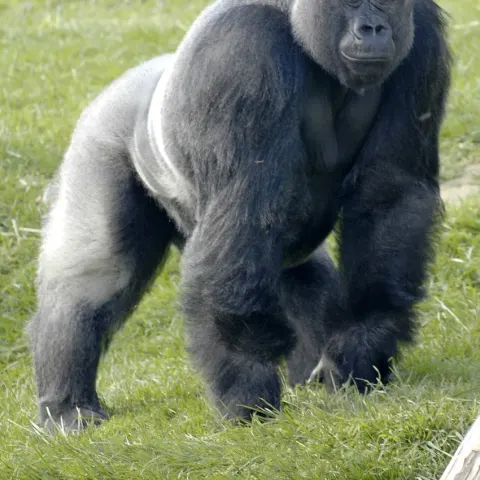
Gorilla
GorillaThe largest primate, with western and eastern species in Africa's equatorial forests. Gorillas live in family groups led by a silverback and are gentle plant-eaters despite their fearsome image.
MammalsCR · Critically Endangered
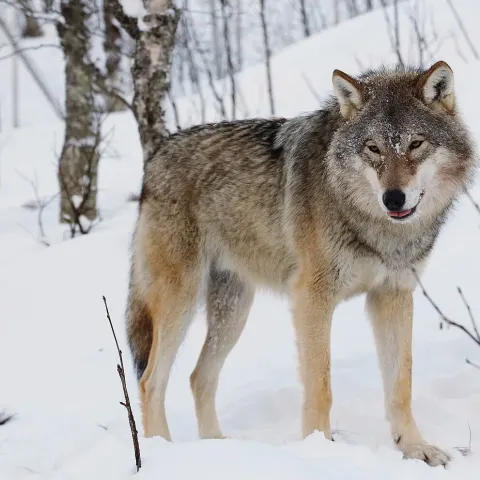
Gray wolf
Gray wolfThe largest wild member of the dog family, hunting cooperatively in family packs. Ancestor of every domestic dog, it has not been confirmed in the wild in South Korea for decades.
MammalsLC · Least Concern
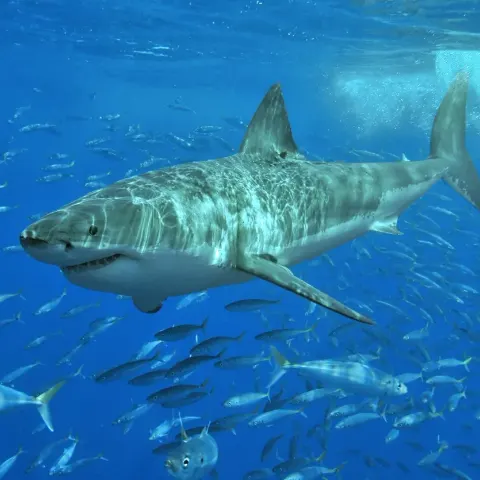
Great white shark
Great white sharkThe largest predatory fish in the world's temperate seas. An apex hunter of seals and sea lions, it is now listed as Vulnerable after decades of overfishing and bycatch.
FishVU · Vulnerable
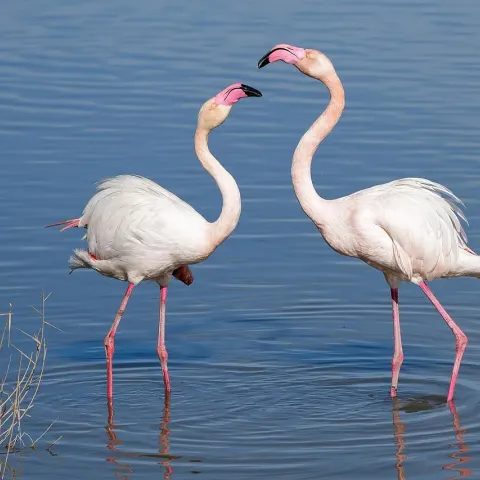
Greater flamingo
Greater flamingoThe largest and most widespread flamingo, filtering food from salty lagoons with its head upside down. Its pink colour comes entirely from pigments in its diet.
BirdsLC · Least Concern
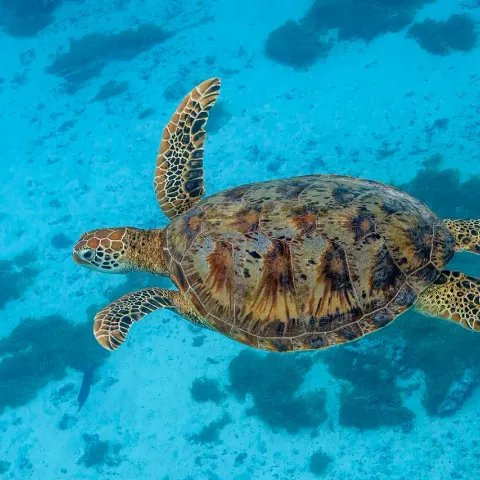
Green sea turtle
Green sea turtleThe only sea turtle that is herbivorous as an adult, grazing seagrass and algae. Females return to their natal region to nest, and recovery led the IUCN to move it to Least Concern globally in 2025.
ReptilesLC · Least Concern
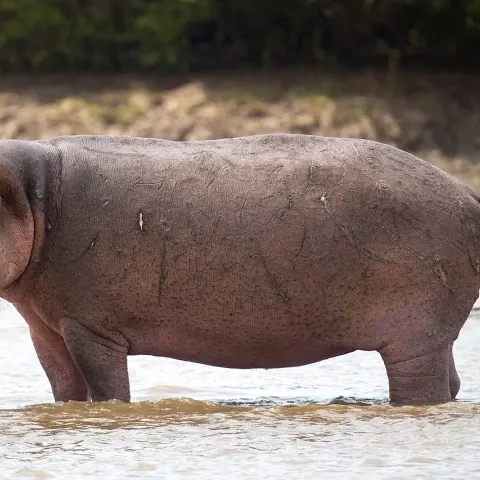
Hippopotamus
HippopotamusA massive herbivore that spends its days submerged in rivers and lakes and grazes on land at night. Despite its sleepy look, it is one of Africa's most dangerous animals.
MammalsVU · Vulnerable
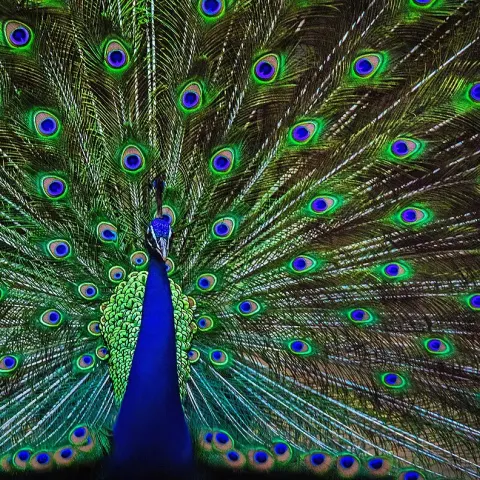
Indian peafowl
Indian peafowlThe peacock of legend and India's national bird. The male's shimmering 'tail' of eyespots is actually a train of elongated feathers growing above the real tail.
BirdsLC · Least Concern
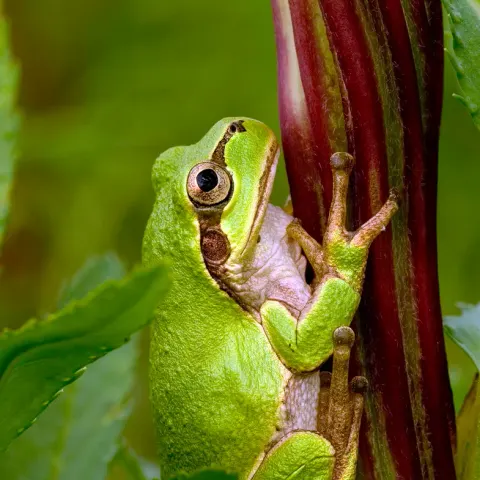
Japanese tree frog
Japanese tree frogKorea's most familiar little green frog, found in rice paddies and roadside greenery. Its loud calls before rain made it a folk weather forecaster, and it stars in a famous Korean folk tale.
AmphibiansLC · Least Concern
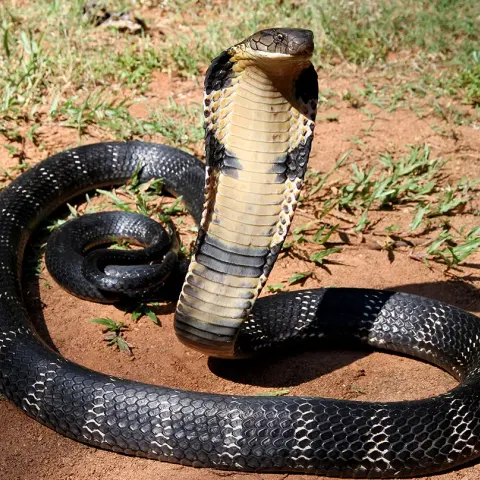
King cobra
King cobraThe world's longest venomous snake, which mainly eats other snakes and guards its eggs in a leaf-litter nest. A 2024 study proposed splitting it into four species, not yet universally accepted.
ReptilesVU · Vulnerable
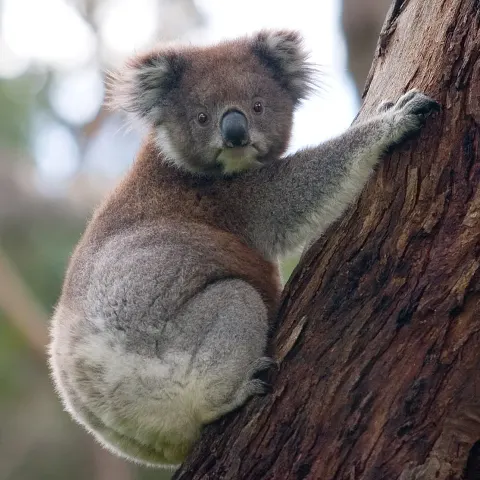
Koala
KoalaAn Australian tree-dwelling marsupial that eats almost only eucalyptus and rests more than 18 hours a day. A wombat relative rather than a bear, it has declined sharply in places through habitat loss, fire and disease.
MammalsVU · Vulnerable
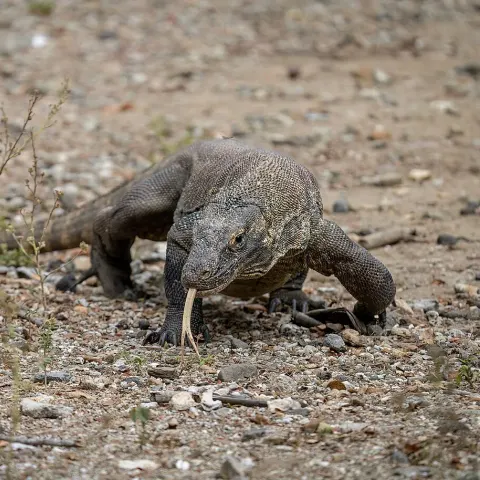
Komodo dragon
Komodo dragonThe world's largest lizard, reaching about three metres. Found only on a few Indonesian islands, it hunts deer and even buffalo with serrated teeth and venom.
ReptilesEN · Endangered
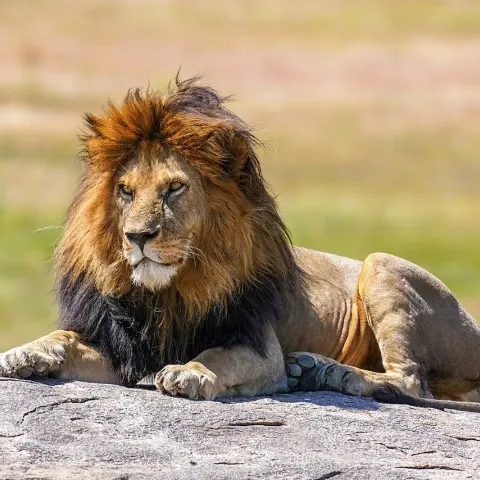
Lion
LionThe only truly social big cat, living in family groups called prides. Today it survives in African savannas and a single forest in western India, and its numbers keep falling.
MammalsVU · Vulnerable
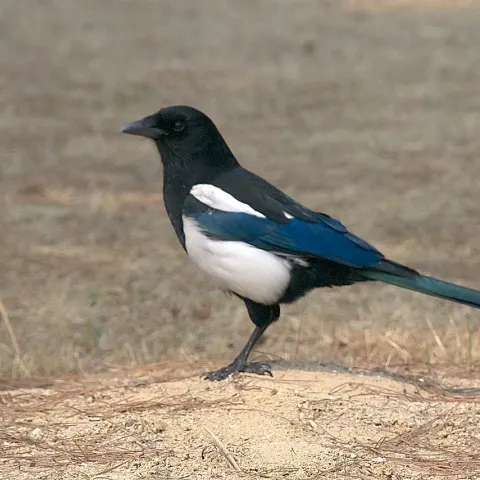
Magpie
MagpieA clever black-and-white crow relative with a long iridescent tail. Korean magpies are now widely treated as a separate species, the Oriental magpie (Pica serica), distinct from the Eurasian magpie.
BirdsLC · Least Concern
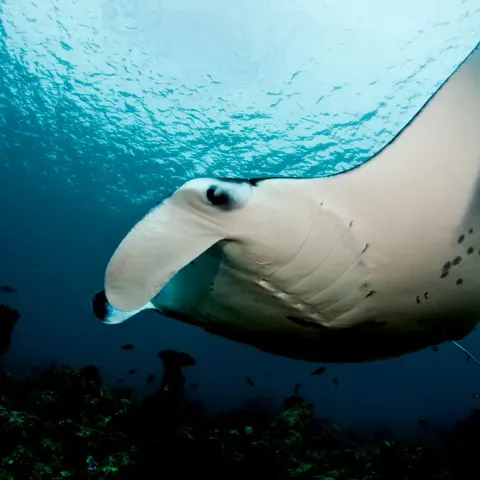
Manta ray
Manta rayGiant rays with wingspans up to about 7 metres that filter plankton and have one of the largest brain-to-body ratios of any fish.
FishEN · Endangered
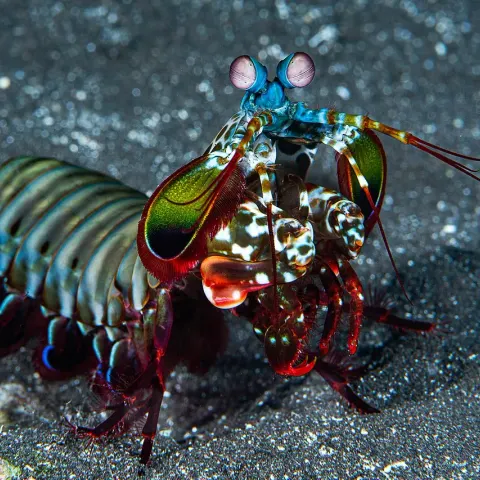
Mantis shrimp
Mantis shrimpA marine crustacean whose bullet-fast punch shatters shells, also famous for eyes with twelve or more types of photoreceptor.
InvertebratesNE · Not Evaluated
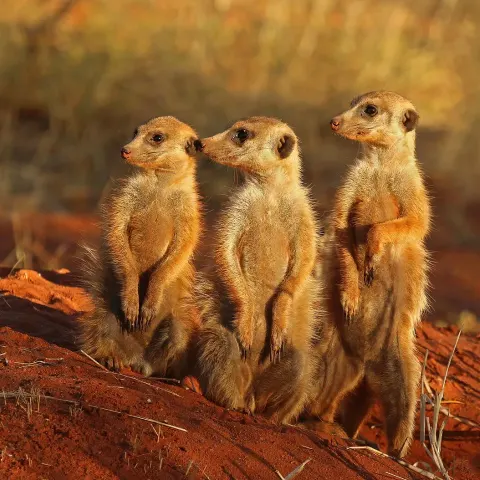
Meerkat
MeerkatA southern African mongoose famous for standing upright on sentinel duty. Groups of dozens raise young cooperatively, yet rivalry between groups is fierce.
MammalsLC · Least Concern
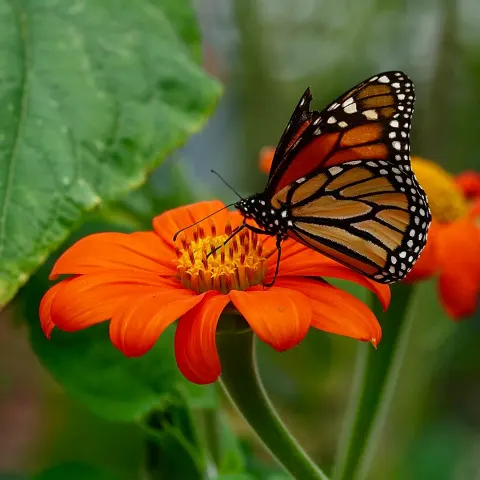
Monarch butterfly
Monarch butterflyAn orange butterfly that migrates up to 4,000 km or more from North America to Mexico, finding a route no individual has flown before.
InvertebratesVU · Vulnerable
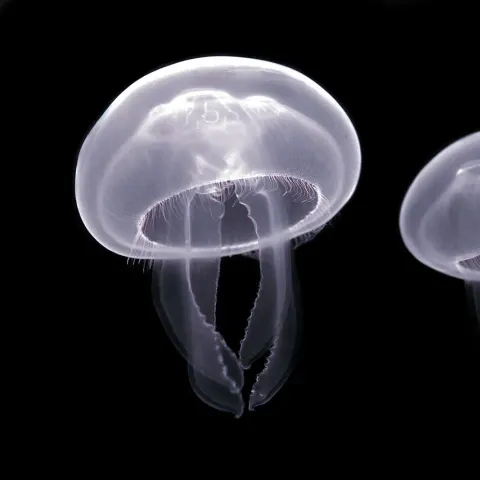
Moon jellyfish
Moon jellyfishA common jellyfish with four rings showing through its clear bell, representing a brainless lineage over 500 million years old that often blooms along Korean coasts.
InvertebratesNE · Not Evaluated
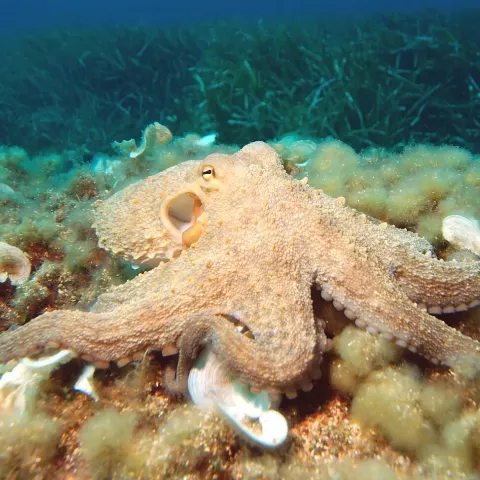
Octopus
OctopusA boneless, eight-armed cephalopod with three hearts and blue blood, widely regarded as the most intelligent invertebrate.
InvertebratesLC · Least Concern
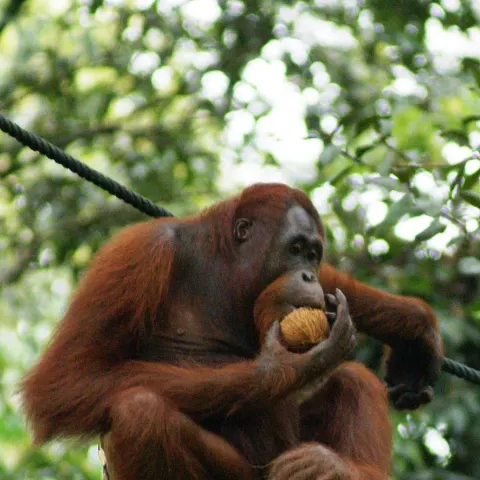
Orangutan
OrangutanAsia's only great ape, whose name means person of the forest in Malay. All three species, Bornean, Sumatran and Tapanuli, live in the treetops and are Critically Endangered as forests vanish.
MammalsCR · Critically Endangered
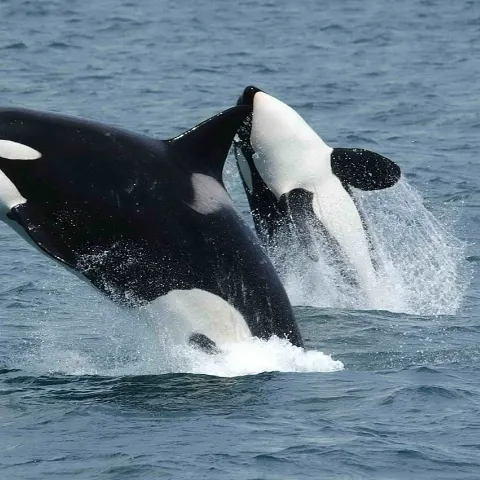
Orca
OrcaThe largest dolphin and the ocean's top predator, with bold black-and-white markings. Famous for grandmother-led families and distinct dialects and hunting cultures in each population.
MammalsDD · Data Deficient
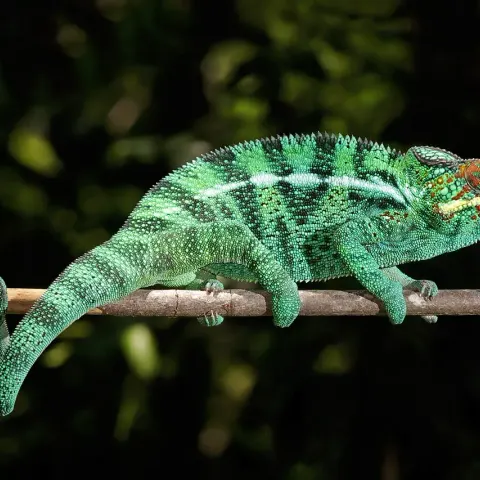
Panther chameleon
Panther chameleonA spectacularly colourful chameleon from northern and eastern Madagascar. It changes colour by tuning nanocrystals in its skin and fires a tongue longer than its body to catch insects.
ReptilesLC · Least Concern
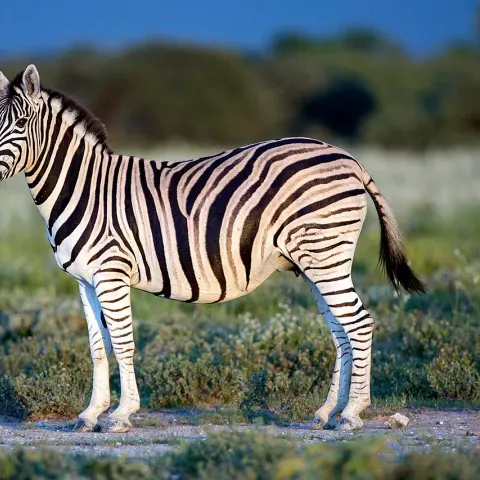
Plains zebra
Plains zebraThe most common and widespread of the three zebra species, an icon of the East African migration. Why it has stripes is still being researched.
MammalsNT · Near Threatened
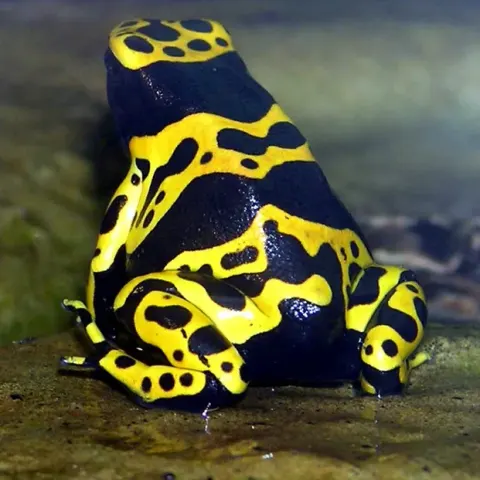
Poison dart frog
Poison dart frogA family of small, brilliantly coloured frogs from Central and South American rainforests. They store toxins obtained from their diet in their skin and advertise them with bold colours.
AmphibiansNE · Not Evaluated
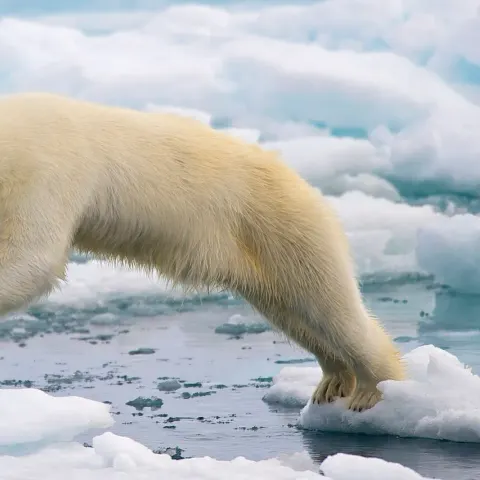
Polar bear
Polar bearThe largest bear, hunting seals from Arctic sea ice. Translucent fur, black skin and thick blubber protect it from extreme cold, but shrinking ice due to climate change threatens its future.
MammalsVU · Vulnerable
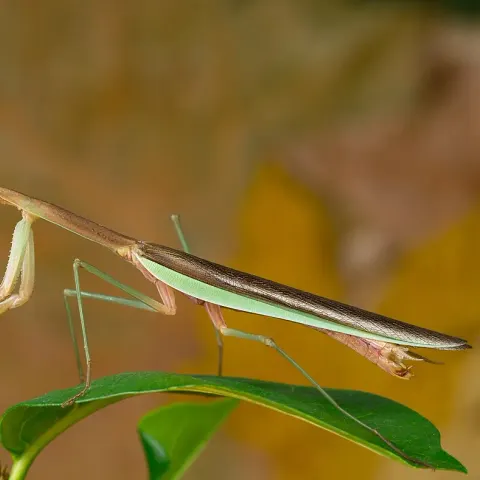
Praying mantis
Praying mantisA predatory insect that snatches prey with spiny, sickle-shaped forelegs; Korea's largest, the Chinese mantis, is common in autumn fields.
InvertebratesNE · Not Evaluated
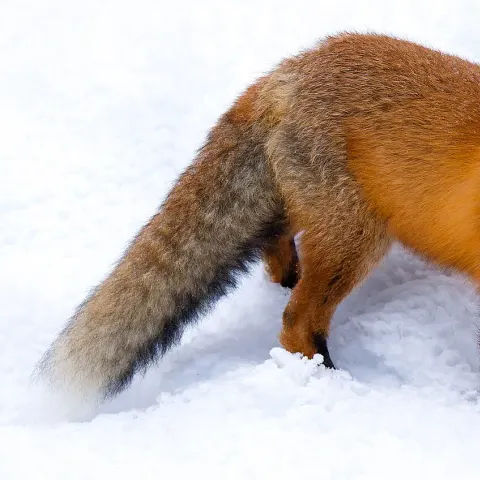
Red fox
Red foxThe orange, white-tail-tipped fox with the widest range of any wild carnivore. Common worldwide, it almost vanished from South Korea and is being reintroduced around Sobaeksan.
MammalsLC · Least Concern
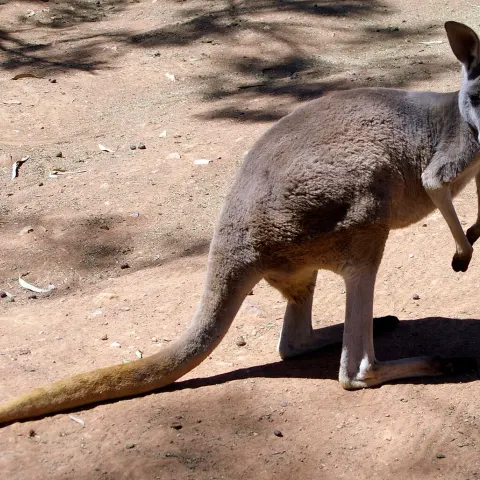
Red kangaroo
Red kangarooThe world's largest marsupial, living on Australia's inland plains. It bounds metres at a time on powerful hind legs and raises newborns weighing under a gram in its pouch.
MammalsLC · Least Concern
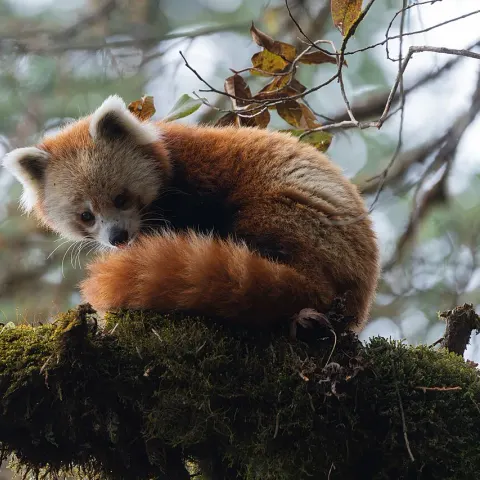
Red panda
Red pandaA cat-sized animal of Himalayan and south-west Chinese forests and the only living member of its family. Despite the name it is not closely related to the giant panda, though it also eats mainly bamboo.
MammalsEN · Endangered
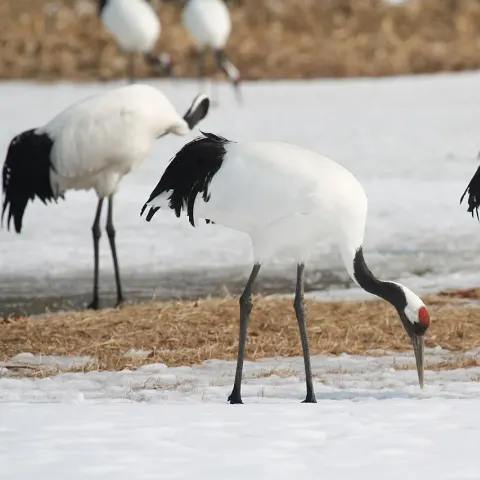
Red-crowned crane
Red-crowned craneA tall, elegant crane with a patch of red skin on its crown, revered across East Asia as a symbol of long life. In winter it gathers in the fields around Korea's DMZ, especially at Cheorwon.
BirdsVU · Vulnerable
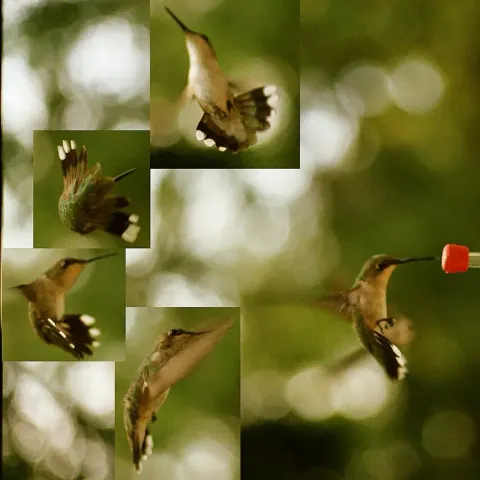
Ruby-throated hummingbird
Ruby-throated hummingbirdA three-to-four-gram bird and the only hummingbird that breeds widely in eastern North America. In autumn many cross the Gulf of Mexico non-stop to Central America.
BirdsLC · Least Concern
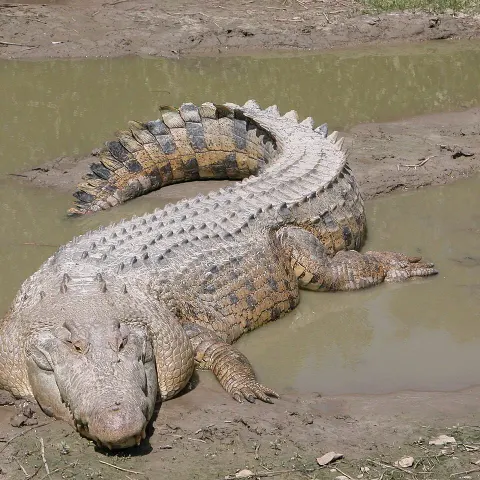
Saltwater crocodile
Saltwater crocodileThe largest living reptile; males can exceed five metres and 500 kilograms. Tolerant of seawater, it lives in estuaries and mangroves and rides ocean currents between islands.
ReptilesLC · Least Concern
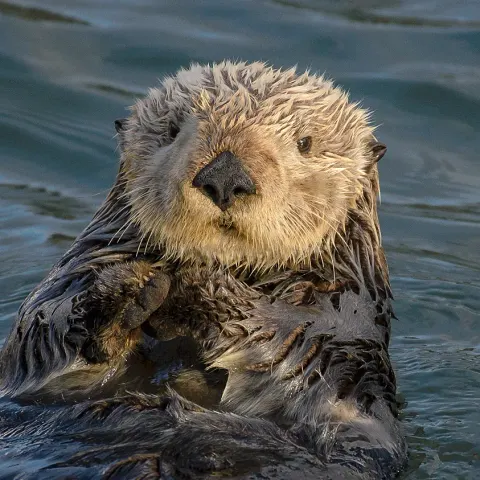
Sea otter
Sea otterA North Pacific marine mammal that floats on its back and cracks shellfish on its chest with a stone. It relies on the densest fur of any animal and protects kelp forests by eating urchins.
MammalsEN · Endangered
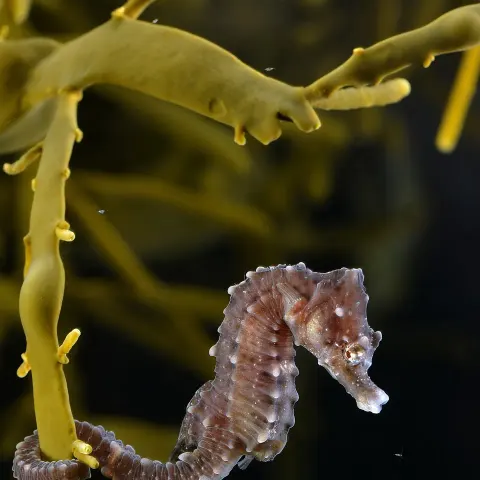
Seahorse
SeahorseUpright fish with horse-like heads and gripping tails, famous because the males become pregnant. Around 40-plus species live in shallow seas worldwide.
FishNE · Not Evaluated
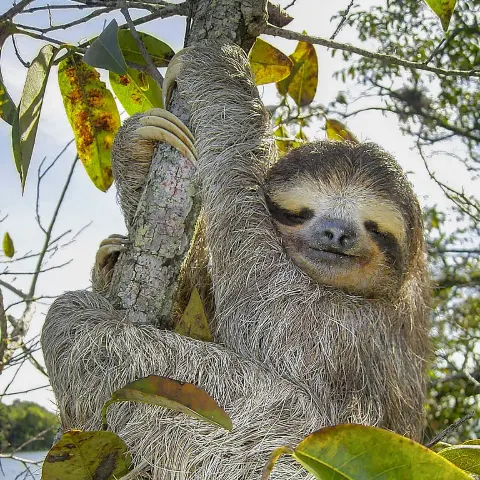
Three-toed sloth
Three-toed slothThe rainforest's symbol of slowness, hanging upside down in Central and South American trees. It survives on low-energy leaves by saving energy to the extreme, and is only distantly related to two-toed sloths.
MammalsLC · Least Concern
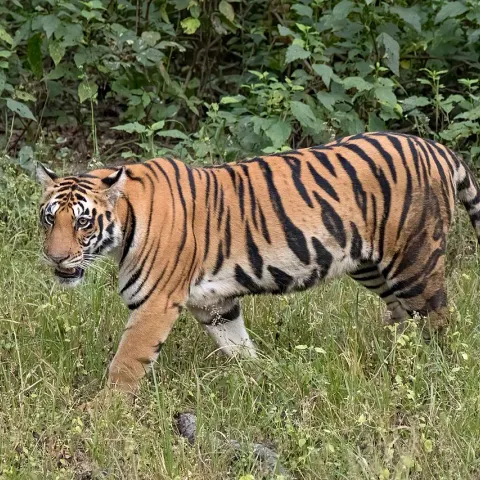
Tiger
TigerThe largest cat on Earth, a solitary striped ambush hunter of Asian forests. Deeply woven into Korean identity, it now survives in the wild only in the low thousands.
MammalsEN · Endangered
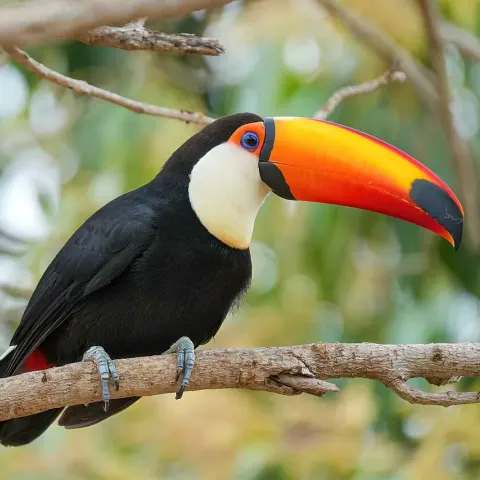
Toco toucan
Toco toucanThe largest toucan, with a bill a third of its length. The light, foam-filled bill picks fruit and sheds body heat; it lives in South American savannas and forest edges.
BirdsLC · Least Concern
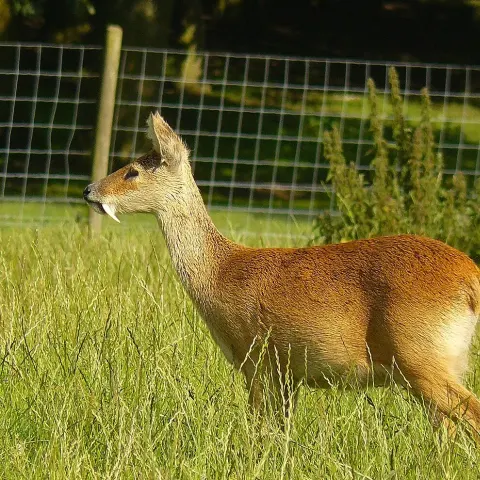
Water deer
Water deerA small antlerless deer whose males carry long tusk-like canines. So common in Korea that it is managed as a pest, yet globally Vulnerable, with most of the world's population on the Korean Peninsula.
MammalsVU · Vulnerable
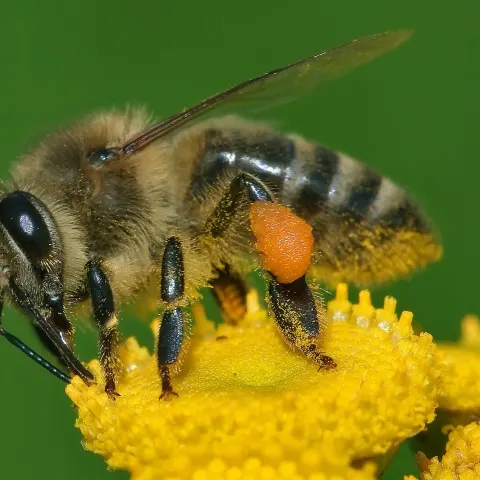
Western honey bee
Western honey beeA social insect living in colonies of one queen and tens of thousands of workers, far more valuable to people as a crop pollinator than as a honey maker.
InvertebratesDD · Data Deficient
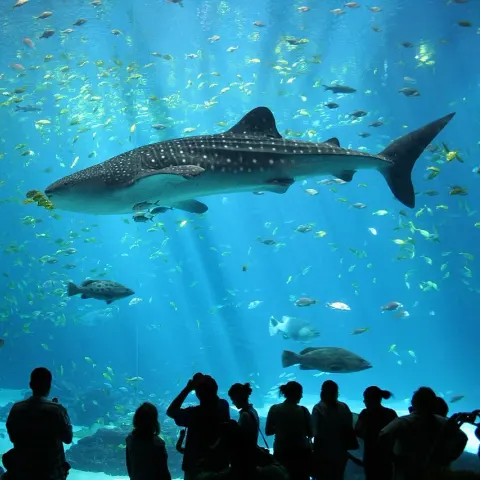
Whale shark
Whale sharkThe largest fish alive, a gentle filter-feeding shark that grows longer than a bus yet lives on plankton, fish eggs and small schooling fish.
FishEN · Endangered
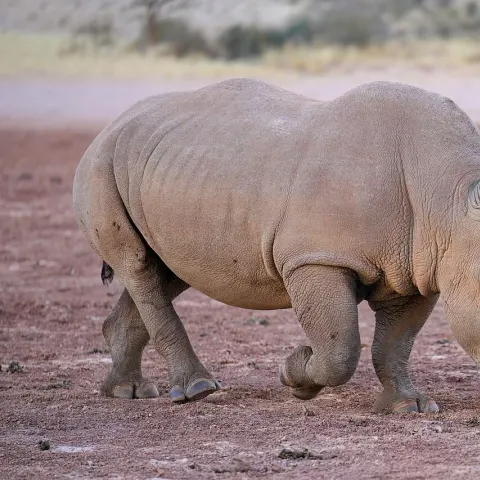
White rhinoceros
White rhinocerosThe largest living rhino, a square-lipped grazer of African grasslands. The southern form recovered from near-extinction, while the northern form is down to two females.
MammalsNT · Near Threatened

LC Least Concern · NT Near Threatened · VU Vulnerable · EN Endangered · CR Critically Endangered · DD Data Deficient · NE Not Evaluated