TailVille
At a glance
Rough ranges for supplies, food and electricity in Korea (USD is approximate). Purchase or adoption fees are not included.
Working people, quiet households and families who want a steady, tolerant cat that doesn't demand constant attention.
Anyone wanting a lap cat to carry around, or who can't live with heavy seasonal shedding.
1. Overview
The British Shorthair is a breed developed from Britain's native house cats, known for its solid body, round face and dense, velvety coat. Like every domestic cat it is Felis catus. In Korea it is often shortened to 'Beusot', and the famous blue-grey cats are sometimes called British Blues as if they were a breed of their own.
It has been a flagship breed since cat showing began in nineteenth-century Britain and has contributed to many others since: Scottish Folds, Selkirk Rexes and some Munchkin lines all carry British Shorthair blood.
Calm and self-reliant, it is often recommended as a low-maintenance cat, but it gains weight easily and owners need to watch for inherited heart and kidney disease. This article leaves general cat information to the main cat article and covers the British Shorthair's history, looks, personality, care, breed-specific health and what to check before bringing one home.
2. Name and origin
2.1. From Roman times to British streets
The British Shorthair's distant ancestors are thought to be cats that arrived in Britain with people during the Roman era. Over the centuries that followed, working as mousers on farms, in homes and on the streets, they developed sturdy bodies and thick coats suited to Britain's cool, damp climate. The Roman origin, it should be said, rests on circumstantial evidence.
Refining these everyday cats into a breed began in the late nineteenth century. Harrison Weir, an English artist and writer often called the father of the cat fancy, organised a cat show at London's Crystal Palace in 1871 that is widely regarded as the start of modern cat showing. British shorthaired cats were among the entries, and Weir himself is known to have admired them.
2.2. War, rebuilding and recognition
In the early twentieth century the breed lost ground to longhairs such as the Persian, and two World Wars made breeding difficult, so pedigree numbers fell sharply. To rebuild, breeders outcrossed to Persians, Russian Blues and ordinary domestic cats. The Persian crosses in particular helped produce a rounder face and plusher coat, and they also brought in the longhair gene that gave rise to today's British Longhair.
All the major registries, including Britain's GCCF, Europe's FIFe, the American CFA and the international TICA, recognise the breed. American recognition came considerably later than British; sources disagree on exact years, so consult registry records if you need them.
3. History and popularity in Korea
British Shorthairs began to be sold in numbers in Korea from the late 2000s into the 2010s. Blue-grey cats with round faces, full cheeks and deep copper eyes were dubbed 'teddy bear cats' and became a mainstay of pet shops and catteries. Korean pet surveys regularly list the breed near the top alongside the Korean Shorthair.
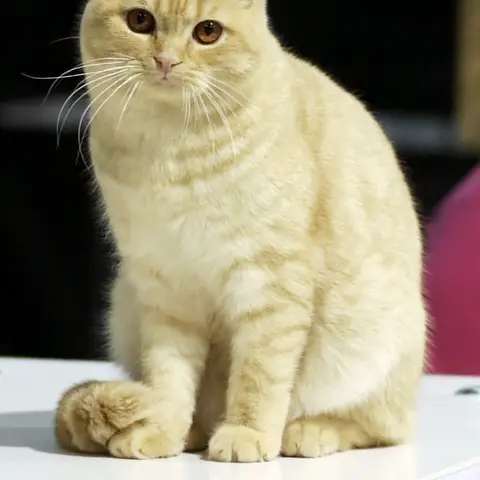
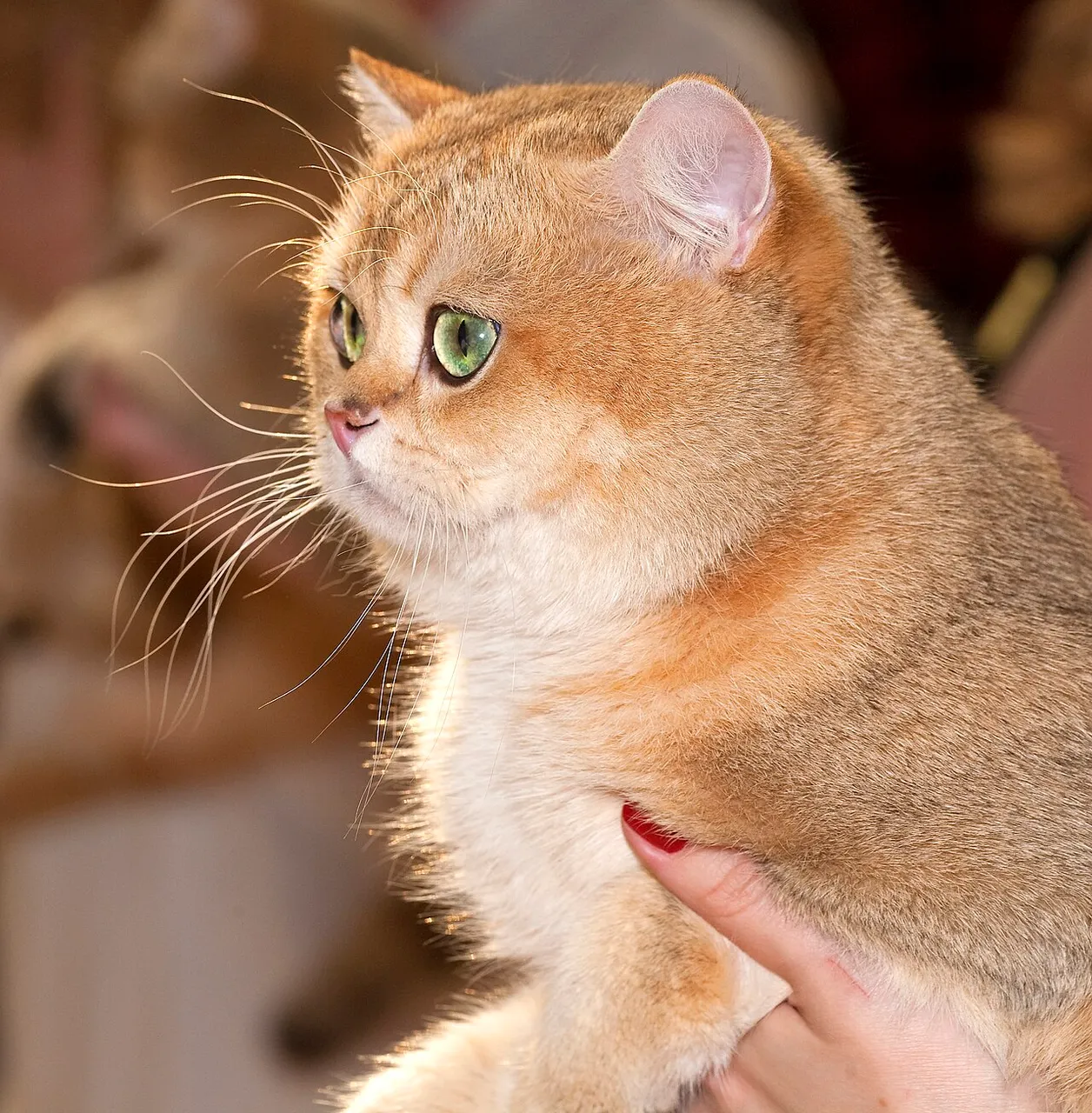
More recently, colours beyond blue have caught on, including golden chinchilla types, silver tabby, cream and colourpoint. Gold-coated, green-eyed cats marketed as 'British Gold' have been particularly popular; these colours often reflect Persian Chinchilla ancestry.
Its reputation as quiet and low-maintenance means it is often recommended to singles and working people, but fewer buyers realise how big these cats grow or how easily they put on weight.
4. Appearance and breed standard
Kattefreakske · CC BY-SA 3.0
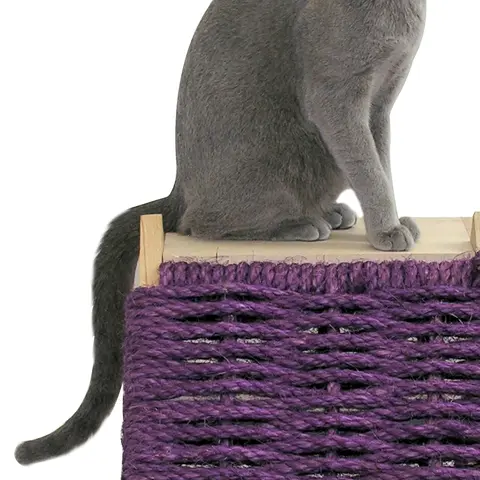
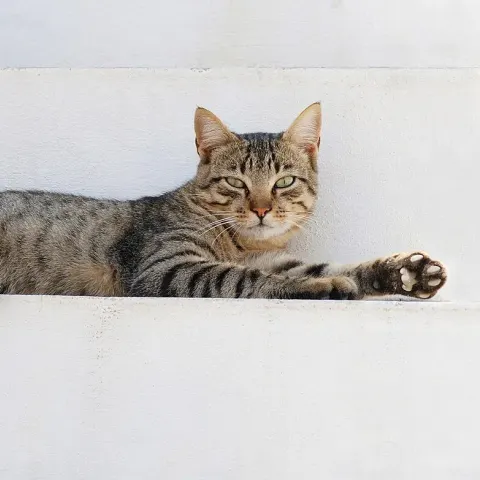
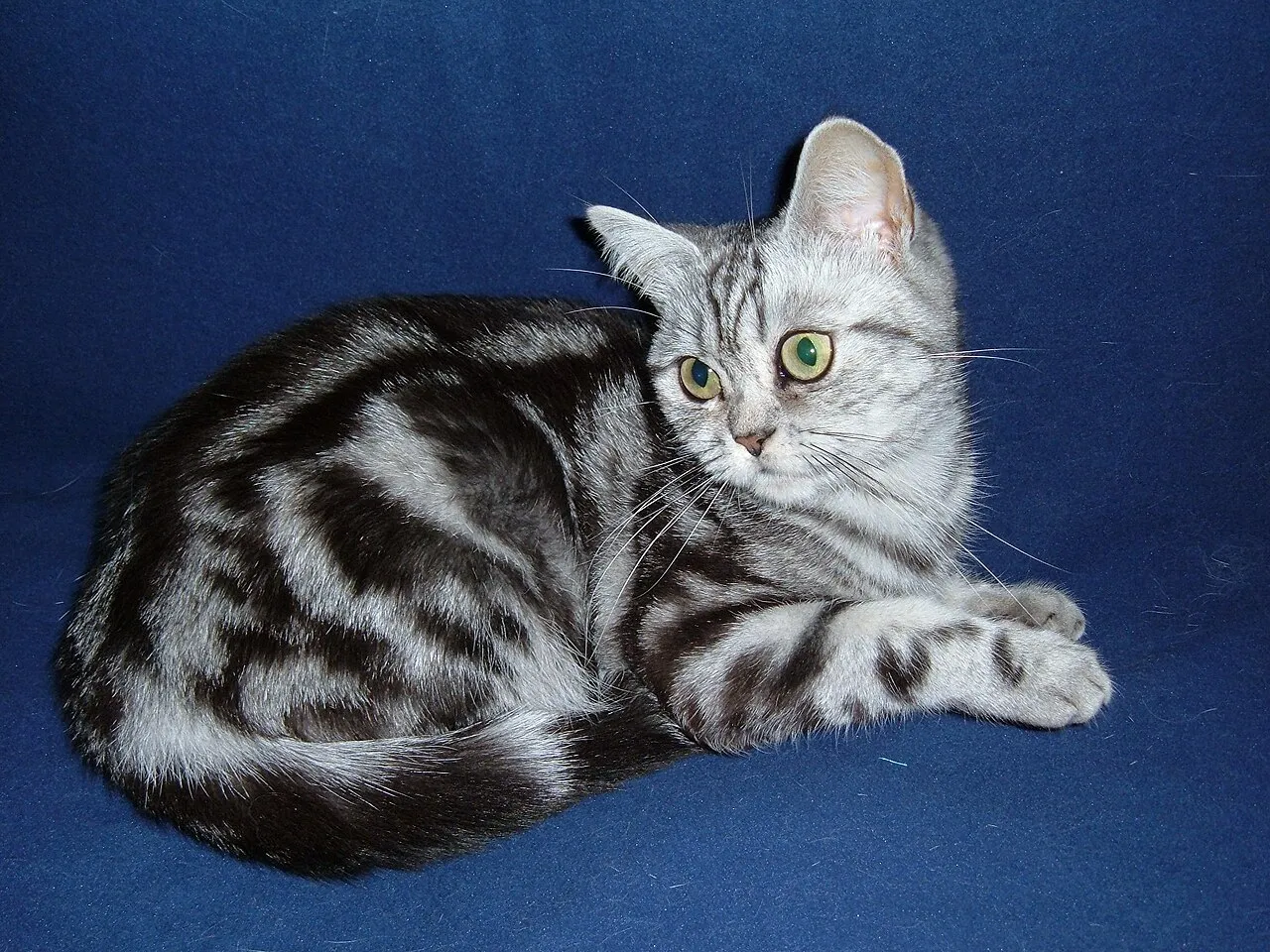
The British Shorthair is the textbook 'cobby' cat: compact, solid and heavy-boned, with a broad chest and short, thick legs that give an impression of weight.
| Feature | Description |
|---|---|
| Weight | Males about 5–8 kg, females about 3.5–5.5 kg |
| Build | Medium to large; broad chest and shoulders; short, thick legs; round paws |
| Head | Large and round with full cheeks (very marked in males); short, broad nose |
| Ears | Small to medium, round-tipped, set wide apart |
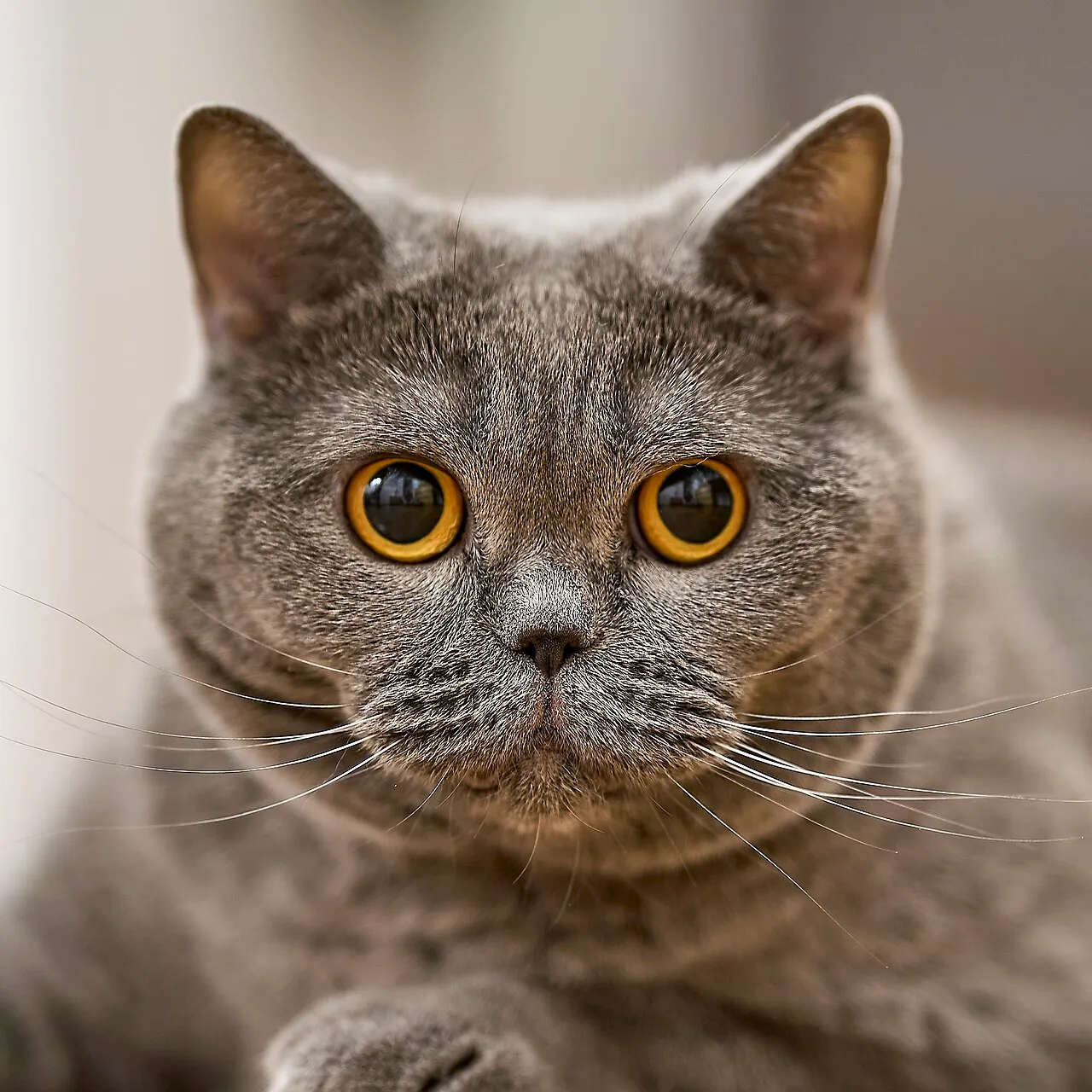
| Eyes | Large and round; copper or orange is standard for blues, with green, blue and others in certain colours |
| Tail | Medium length, thick at the base with a rounded tip |
| Coat | Short, very dense double coat that springs back under the hand |
| Colours | Blue, black, white, cream, lilac, chocolate, tabbies, bicolours, colourpoints, silvers, golds and more |
Mature males develop prominent jowls that broaden the face. These are a male hormonal trait rather than fat, so males neutered young may show them less.
The coat is described as 'plush': it stands away from the body rather than lying flat, so stroking it against the grain leaves a visible trail. That density also means plenty of loose hair during moults.
5. Temperament
British Shorthairs are often likened to a reserved English gentleman. They are usually calm and even-tempered and rarely yowl or pester their owners.
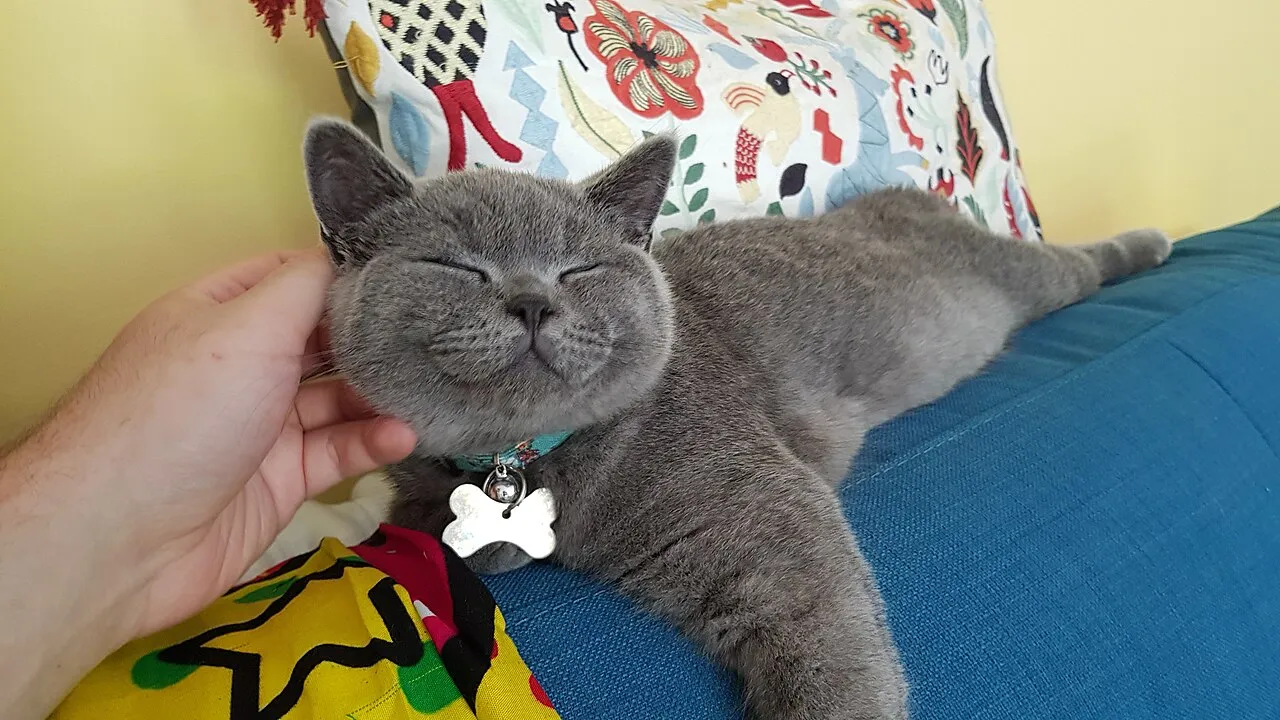
Their way of showing affection is distinctive. Many follow you into a room, settle nearby and occasionally lean in or ask for a stroke, yet dislike being picked up or kept on a lap for long. Think of them as cats who like all four feet on the ground.
Kittens can be lively, but from two or three years old activity drops noticeably and most of the day goes on sleeping and window-watching. They usually cope well with visitors, children and calm dogs, and tolerate time alone better than many breeds.
Independent does not mean they need no interaction, though. They form real attachments in their own way, and too little play and attention can leave them listless or prone to overeating.
6. Who it suits and who it doesn't
George E. Koronaios · CC BY-SA 4.0
- Suits: people out at work during the day, and quiet single or couple households
- Suits: families with children who want a patient, unflappable cat
- Suits: owners who will measure food precisely and play every day, even briefly
- Doesn't suit: anyone wanting a lap cat to carry around and cuddle constantly
- Doesn't suit: homes that can't tolerate shedding or include allergy sufferers
- Doesn't suit: people looking for a highly active, trainable play partner
7. Exercise and play
British Shorthairs don't take much exercise on their own initiative, so creating chances to move is the key to preventing obesity.
- Short and often: two 10–15 minute wand-toy sessions a day that follow a stalk, chase, catch and eat sequence. Letting the cat 'catch' the toy at the end is very satisfying for it.
- Combine food and play: puzzle feeders and treat balls turn mealtimes into activity.
- Sturdy cat trees: heavy cats quickly ignore wobbly furniture, so choose a wide base and thick posts.
- Window seats: a view outside is valuable enrichment in itself.
Play habits formed in kittenhood often last into adulthood. If an adult seems uninterested, try different toys and movements; many respond to slow, creeping motions along the floor.
8. Coat and hygiene
Plopatries · CC BY-SA 4.0
The coat is short but extremely dense, so it sheds more than you might expect. Brush about twice a week normally and daily during the spring and autumn moults.
- Tools: a rubber brush or fine metal comb works best on the plush undercoat; use any slicker brush gently to avoid scratching the skin.
- Direction: brush with the lie of the coat first, then lightly against it at the end to lift out dead hair.
- Hairballs: vomiting hairballs can increase in moulting season. Brush more often and consider a hairball-control food if needed.
- Bathing: rarely necessary. The dense coat dries slowly, so bathe only when essential and dry thoroughly.
Heavier cats may groom their rear ends less effectively, so check occasionally. Trim claws every two to three weeks and look at ears and teeth weekly.
9. Diet and weight
Obesity is one of the most common health problems in the breed. Because the build is naturally large and round, it is easy to dismiss extra weight as 'just how they're built'.
| Item | Guideline |
|---|---|
| Daily energy (neutered 5 kg adult) | About 220–270 kcal, adjusted by body condition |
| Feeding | Two or three measured meals; avoid free-feeding |
| Treats | Under 10% of calories |
| Body check | Ribs felt under a thin layer of fat; a visible waist from above |
| Growth | Three to five years to full maturity; plan diet changes with your vet |
Because they grow slowly, don't rush the switch to adult food at the first birthday; decide based on body shape and growth. Conversely, energy needs fall sharply after neutering, so recalculate portions.
Obesity raises the risk of diabetes, joint disease, urinary problems and fatty liver. Weight loss should be gradual, roughly 1–2% of body weight a month, and crash dieting can trigger fatty liver, so always plan it with a vet.
10. Inherited disease and health
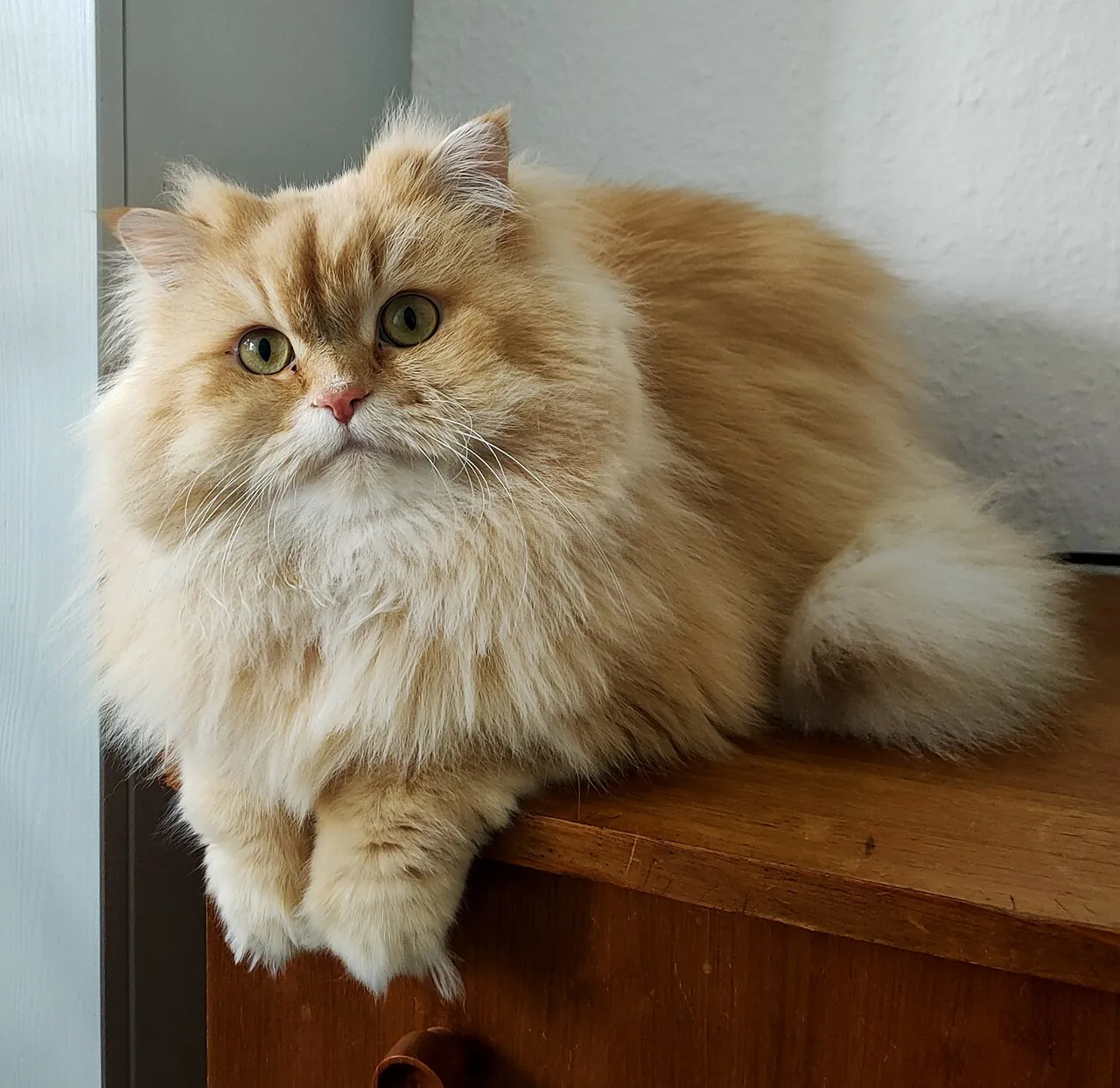
Fanta3 · CC BY-SA 4.0
The British Shorthair is generally regarded as robust, but the conditions below are worth knowing about. Diagnosis and treatment must come from a vet.
10.1. Hypertrophic cardiomyopathy (HCM)
HCM is a thickening of the heart muscle, especially the left ventricular wall, that stops the heart pumping efficiently. It is the most common heart disease in cats and has been reported in British Shorthairs.
- Cause: genetics appear to play a role, but unlike in Maine Coons and Ragdolls, no breed-specific DNA test has been established for this breed.
- Signs: usually none at first. Later, fast or open-mouth breathing at rest; if a clot forms, sudden, painful paralysis of the hind legs.
- Diagnosis: echocardiography is the gold standard; a murmur or abnormal NT-proBNP blood test is a reason to scan.
- Management: no cure, but medication can slow progression and reduce clot risk. Count sleeping breaths at home and see a vet if they exceed about 30–40 per minute.
10.2. Polycystic kidney disease (PKD)
PKD causes multiple fluid-filled cysts to form and grow in the kidneys, gradually reducing kidney function. Best known in Persians, it can also appear in British Shorthairs because of past Persian outcrosses.
- Cause: a dominant variant in the PKD1 gene
- Signs: from middle age, increased thirst and urination, poor appetite, weight loss and vomiting, as in chronic kidney disease
- Diagnosis: a DNA test (cheek swab) and kidney ultrasound
- Prevention: breeding only from DNA-negative cats is the surest approach, so ask for the parents' PKD results.
10.3. Type B blood and neonatal isoerythrolysis
Cats mainly have blood types A, B or AB. Most cats are type A, but the British Shorthair is known for a high proportion of type B, which matters in two situations.
- Transfusions: type B cats carry strong antibodies against type A blood, and a mismatched transfusion can be fatal. Blood typing and cross-matching are essential before surgery or transfusion.
- Neonatal isoerythrolysis: when a type B queen has type A kittens, antibodies in her colostrum can destroy the kittens' red blood cells. Breeders must know both parents' blood types.
Even for pet cats, knowing the blood type in advance is useful in an emergency.
10.4. Other health issues
- Obesity and diabetes: common results of inactivity and overeating.
- Gingivitis and periodontal disease: regular tooth brushing and dental checks help.
- Lower urinary tract disease: more likely with low water intake and little activity.
- Haemophilia B: a bleeding disorder reported in some lines; tell your vet about any history of prolonged bleeding before surgery.
11. Life course and lifespan
British Shorthair lifespans are usually quoted at around 12–17 years, and well-cared-for cats can live longer.
| Stage | Age | What to know |
|---|---|---|
| Kitten | 0–6 months | Lively and curious; build socialisation and play habits |
| Adolescent | 6 months–2 years | Neutering; the frame gradually broadens |
| Late growth | 2–4 years | Jowls and muscle fill out; distinguish growth from fat |
| Adult | 4–8 years | Activity drops; manage weight and check yearly |
| Mature | 8–11 years | Heart scans and kidney tests recommended |
| Senior | 12+ years | Watch for arthritis, kidney and thyroid disease; check twice a year |
The breed matures slowly and may not reach full size until three to five years old. Use body condition scoring to judge whether weight gain in that period is growth or fat.
12. Costs
Rough Korean prices; they vary by clinic, region and individual cat.
| Item | Rough cost | Notes |
|---|---|---|
| Purchase price | Hundreds of thousands to several million won | Depends on colour (blue, gold, etc.), pedigree and cattery |
| Starter equipment | 300,000–700,000 won | Sturdy large cat tree, big litter box |
| Vaccines and neutering | 300,000–700,000 won | Varies by clinic and sex |
| Blood typing | Tens of thousands of won | Before surgery or as a precaution |
| Food, litter, supplies | 60,000–120,000 won a month | Larger frame means larger portions |
| Annual check-up | 100,000–400,000 won | More once heart scans are added |
| Heart scan | 100,000 to several hundred thousand won | HCM screening |
With so much shedding, also factor in household extras such as an air purifier, lint rollers and a good vacuum cleaner.
13. Before you get one
- Parents' health records: ask for PKD DNA results, heart scan records where possible and blood type information.
- Picture the adult: plan equipment and space around a 5–8 kg cat, not the kitten in front of you.
- Beware colour marketing: labels such as 'gold' or 'blue gold' and claims of rare colours can inflate prices. Health and temperament matter more than colour.
- Age and seller: kittens under two months may not be sold in Korea; confirm the seller's animal sales registration and see the breeding environment. Avoid sellers who won't show the parents.
- Contract: get written terms covering compensation or refunds if an inherited disease is found.
- Shelters and adult cats: pedigree cats do get surrendered, and adults have settled personalities and sizes, which can make choosing easier.
14. In popular culture
The British Shorthair has long been part of British culture. It is often said that Lewis Carroll's Cheshire Cat was inspired by the breed, but there is no firm evidence that the grinning cat in Alice's Adventures in Wonderland was modelled on any particular breed; the idea seems to come from the resemblance between that broad grin and the breed's round face.
In modern times, blue British Shorthairs have appeared so often in cat food and other advertising that they have become the stock image of the 'advert cat'. Their round faces and full cheeks are also a favourite starting point for character designs, plush toys and emoji.
In Korea they are social media favourites, described with phrases likening them to teddy bears or comparing their cheeks to soft rice cakes.
15. Trivia
- Cats carrying the longhair gene can produce longhaired kittens, which some registries recognise as a separate breed, the British Longhair.
- The blue was once so closely associated with the breed in Britain that it acquired its own name, the British Blue.
- British Shorthairs have contributed to the development of several breeds, including the Scottish Fold and the Selkirk Rex.
- Mature males develop such pronounced jowls that you can often guess a cat's sex from its face alone.
- Despite the sleepy image, the hunting instinct is intact: a toy mouse or stray insect can trigger a surprisingly swift pounce.
Health notes are general information. If something seems wrong, contact a vet who treats this species.
🍽️ Can my dog or cat eat this? →
FAQ
Are all British Shorthairs grey?
The blue-grey 'British Blue' is the best known, but white, black, cream, lilac, silver tabby, colourpoint and many other colours exist.
How is it different from a Russian Blue?
British Shorthairs are cobby with round faces and usually copper eyes. Russian Blues are slender, with a more wedge-shaped head and green eyes.
Can it be left alone all day?
They cope better than most breeds, but boredom and weight gain follow if they get no play. Make time for interaction in the evening and leave toys and a window perch.
Photo credits
Photos are freely licensed images from Wikimedia Commons. Authors and licenses are listed below.
- Mystica from British Empire Cattery.jpg — BritishEmpire · CC BY-SA 3.0
- BRI Golden Garry v. Wahrberg (4488833650) (cropped).jpg — Nickolas Titkov from Moscow, Russian Federation · CC BY-SA 2.0
- British Shorthair, Classic Tabby.jpg — Kattefreakske · CC BY-SA 3.0
- British Shorthair (4-28-2023) (cropped).jpg — George E. Koronaios · CC BY-SA 4.0
- British Shorthair Smiling.jpg — Plopatries · CC BY-SA 4.0
- Katze Britisch Langhaar – Creme.jpg — Fanta3 · CC BY-SA 4.0